

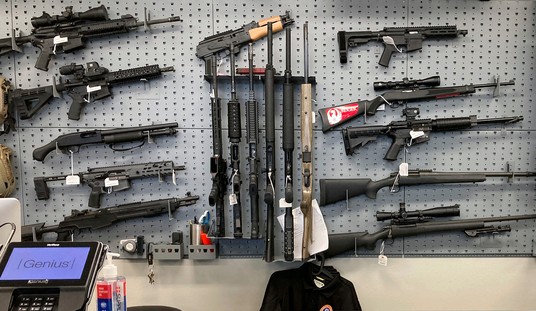
Minnesota sportsmen are breathing a sigh of relief and raising a toast after Governor Tim Walz’s sweeping gun control package crashed and burned in the 2026 legislative session. What was billed by the administration as “common-sense reforms” turned out to be a familiar menu of waiting periods, magazine bans, permitting schemes, and expanded red-flag provisions that would have turned law-abiding hunters, competitive shooters, and everyday carriers into second-class citizens in their own state. The Sportsmen’s Alliance, working alongside local groups and grassroots activists, played a decisive role in rallying opposition that ultimately left the package dead on arrival. For once, the pro-2A community’s persistence, data-driven testimony, and unapologetic defense of hunting heritage actually moved the needle in a deep-blue state.
This defeat carries real weight beyond Minnesota’s borders. Walz had positioned himself as a national leader on gun control, using his platform to push the same policies that urban Democrats want to nationalize. His failure demonstrates that even in states with strong progressive majorities, the hunting and shooting community remains a potent political force when it organizes around shared values instead of partisan labels. Sportsmen understand that you don’t fix crime by harassing responsible gun owners who pass background checks and cherish their firearms as tools for conservation, self-defense, and tradition. The collapse of Walz’s agenda also serves as a timely reminder that gun control is rarely about criminals; it’s about control, and rural and working-class voices still have the power to check elite-driven policy when they refuse to be silent.
For the broader Second Amendment community, this outcome is both validation and a call to action. Groups like the Sportsmen’s Alliance prove that protecting hunting access and firearm rights are two sides of the same coin. When those rights are under attack, the defense must be framed in cultural terms that resonate with the very people who spend their weekends in the field or at the range. Walz’s loss should energize activists in other states facing similar legislative assaults. The lesson is clear: consistent pressure, coalition building between hunters and constitutional carry advocates, and a refusal to accept the narrative that “nobody wants to take your guns” can still deliver victories. Minnesota sportsmen just proved it. The rest of us should take notes.


