

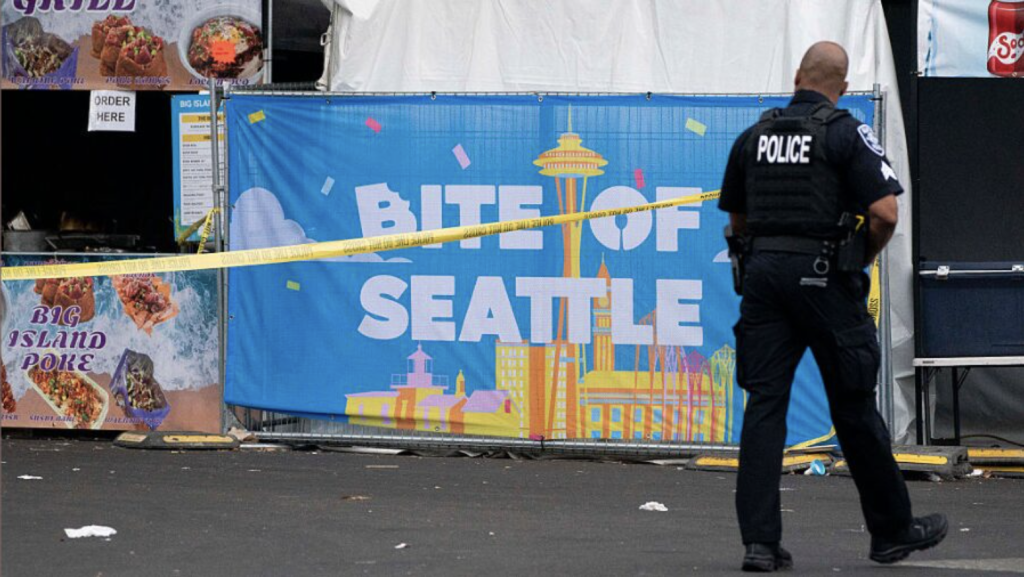
Washington’s latest spasm of gun-control theater is now pivoting from hardware to humans, and the shift is telling. After a shooting at Seattle Center, a state lawmaker is floating a “two-strikes” scheme that would treat a second juvenile gun offense as an automatic adult felony. On its face, the proposal sounds like common-sense accountability—until you notice that Washington already layers some of the nation’s strictest gun restrictions on top of some of its weakest juvenile-justice outcomes. The state’s 10-day waiting period, “assault-weapon” ban, and magazine limits haven’t dented Seattle’s repeat-offender problem; instead, they’ve created a permission structure that treats every gun as suspect while the actual shooters cycle through juvenile court with minimal consequence.
The deeper irony is that this “two-strikes” idea tacitly admits what pro-2A advocates have said for years: the hardware isn’t the variable, the behavior is. By moving the enforcement spotlight onto the small cohort of juveniles who repeatedly violate existing gun laws, the proposal concedes that prior restrictions failed to change conduct. Yet the same political class that spent a decade criminalizing law-abiding adults for magazine capacity or brace configuration is now asking for expanded prosecutorial power over kids. If the bill passes, expect the usual pattern—selective enforcement that burdens rural and suburban families with compliance anxiety while urban repeat offenders still plea down to misdemeanors because local prosecutors won’t treat juvenile records as priors.
For the broader Second-Amendment community, the takeaway is strategic. Every time a high-profile shooting prompts yet another “reasonable” restriction, the response should be to redirect the conversation to enforcement and recidivism, not to new purchase barriers. Washington’s experiment shows that piling rules on legal owners does nothing to deter the subset of juveniles already breaking multiple statutes; only swift, certain consequences do. If this “two-strikes” measure survives committee, it could become a model for separating the chronically dangerous from the chronically law-abiding—an outcome that actually strengthens, rather than erodes, the right to keep and bear arms.


