

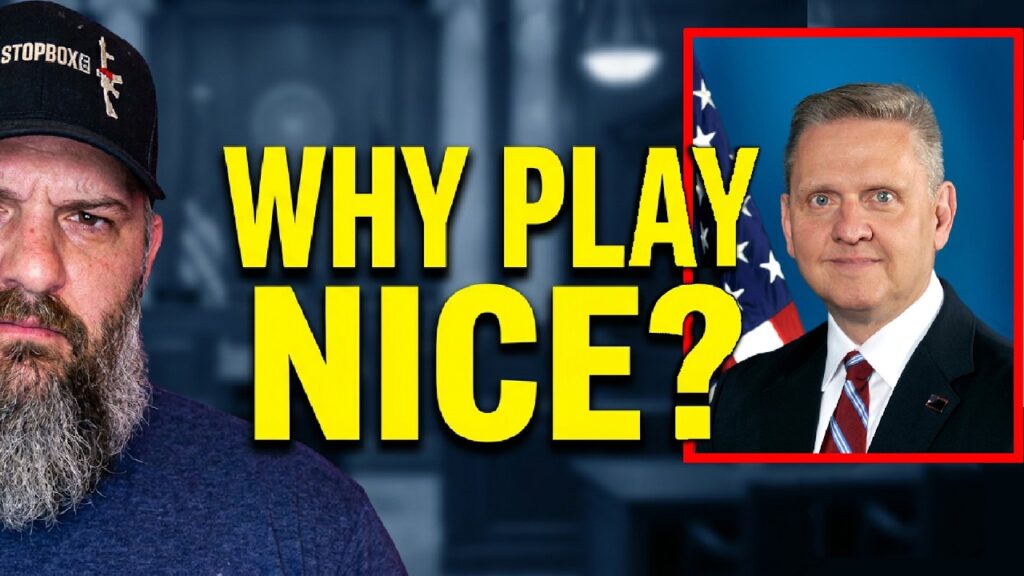
In a recent video, VSO Gun Channel host Kurt Hollstrom reassesses his earlier opposition to Robert Secuta’s appointment as ATF director. While Hollstrom had hoped for a political officer aligned with Second Amendment priorities, he now acknowledges that Secuta, a career law-enforcement officer, represents an incremental improvement over his predecessor. The host notes that Secuta’s background as a New York City police officer and his personal ownership of modern firearms and suppressors give him a practical understanding of the regulatory burdens faced by gun owners.
Pros
- Secuta recognizes that excessive regulation can provoke public backlash and has publicly stated, “When you over-regulate and you try to impose restrictions on the American people that are not actually helping the American people, sooner or later they realize that you went too far and they push back really hard.”
- Under his leadership, the agency appears to be moving in a “net direction” that is more favorable to industry and gun owners than previous administrations.
- Secuta has highlighted the need to reduce NFA processing times, citing his own experience of receiving a tax stamp in two weeks instead of the previous 14-month average.
Cons
- Hollstrom argues that Secuta remains committed to the ATF’s law-enforcement mission of combating weapons trafficking, a role the host believes should be reassigned to other agencies.
- Recent regulatory adjustments, such as the shift from a 20-year to a lifetime record-retention requirement, are viewed as half-measures intended more to reduce workload and deflect criticism than to restore Second Amendment protections.
- The host contends that the agency could go further by mandating the destruction of records older than the required retention period, but has shown no indication of doing so.
Specs
- ATF record-retention policy under discussion: 20–30 years versus the current lifetime requirement.
- Reported NFA processing improvement: from 14 months to as little as two weeks.
- Secuta’s tenure framed as a “leftover from the Bondy tenure,” limiting expectations for sweeping structural change.
Hollstrom concludes that while the agency’s trajectory under Secuta is positive, observers should remain realistic about the motivations behind recent concessions, which he attributes partly to efforts to avoid budget cuts or agency consolidation. He invites viewer feedback on whether the ATF’s current path aligns with long-term Second Amendment goals.


