

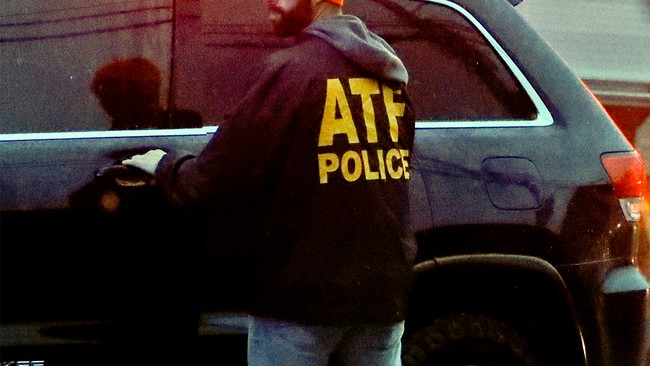
The Violence Policy Center’s decision to dust off gun-trafficking statistics from 2007-2011 feels less like fresh analysis and more like a calculated attempt to keep an old narrative alive while the border crisis has evolved dramatically. Those years captured a unique snapshot when ATF’s gun-walking operations were still active and before Mexican cartels diversified into far more sophisticated smuggling routes that now rely heavily on 3D-printed components, ghost guns assembled south of the border, and even Chinese fentanyl precursors moved through legal ports. By freezing the conversation at that earlier window, VPC conveniently sidesteps the uncomfortable reality that U.S. gun-control measures have little bearing on the adaptive criminal networks operating today.
For the 2A community, the timing is telling: as states like Texas and Arizona push constitutional carry and as federal courts continue striking down magazine bans and assault weapon restrictions, anti-gun groups need a steady drip of guns flowing south stories to justify new restrictions at home. Yet the data they recycle predates the surge in Mexican domestic production, the rise of cartel-owned machine shops, and the documented shift toward weapons stolen from Mexican military stockpiles. This selective chronology lets VPC imply that American gun owners are the primary suppliers while glossing over the fact that many of the firearms recovered in Mexico trace to corrupt officials, battlefield captures, or black-market purchases from Central American conflicts.
The larger implication is strategic rather than statistical. By anchoring the debate in a decade-old dataset, VPC hopes to freeze policy thinking in the era before Bruen and before widespread recognition that criminals ignore laws. The 2A community should treat this as another reminder that every recycled trafficking claim is less about stopping cartel violence and more about manufacturing political pressure to disarm law-abiding Americans—pressure that evaporates the moment the conversation moves past 2011 and into the present realities of enforcement, border security, and cartel innovation.


