

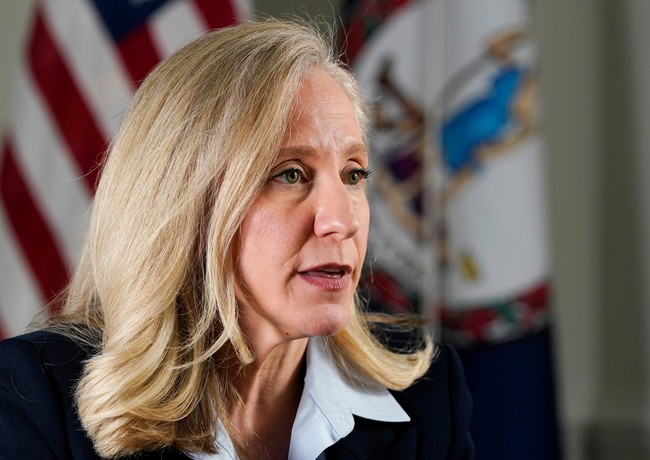
Virginia’s sheriffs and prosecutors aren’t waiting for a court date—they’re drawing a hard line in real time. By publicly refusing to enforce Governor Spanberger’s hastily signed assault-weapons ban, these elected officials are turning the usual top-down gun-control script on its head and reminding Richmond that the Constitution doesn’t become optional just because a governor signs a bill. Their stance echoes the “constitutional sheriff” doctrine that has gained traction across red and purple states, but the difference this time is scale: multiple agencies coordinating statements within days signals a level of institutional pushback that gun-grabbers rarely encounter until after the laws hit the books.
What makes the moment especially sharp is the timing. Spanberger’s measure was pitched as an “emergency” response to phantom militia threats, yet the very law-enforcement officers tasked with day-to-day security are the ones calling the policy both unenforceable and unconstitutional. That undercuts the narrative that “commonsense” restrictions enjoy quiet support inside police ranks and hands the 2A community a ready-made talking point: if even the people who carry badges won’t touch the law, why should civilians? More importantly, the defiance creates an immediate safe harbor for lawful owners, buying time for lawsuits already queued up by groups like the Virginia Citizens Defense League and the NRA-ILA to work their way through state and federal courts.
For the broader Second Amendment ecosystem, this episode is less a one-off protest than a stress test of federalism. If Virginia’s model spreads—sheriffs in other states announcing non-enforcement pacts ahead of magazine bans or permitting schemes—anti-gun legislators will face a logistical nightmare: statutes that exist only on paper. That reality forces a strategic shift inside the gun-control movement toward federal legislation and DOJ pressure, while simultaneously energizing pro-2A voters who see local resistance as proof that the Bill of Rights still has teeth when citizens and their elected sheriffs act together.


