

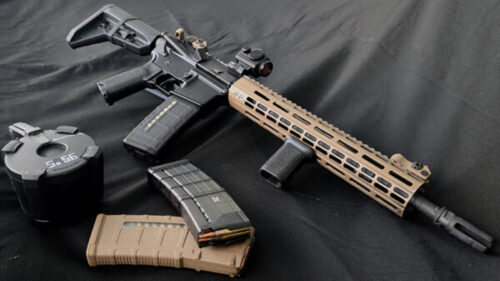
Virginia’s AR-15 ban cases have been placed on ice, but the pause is anything but idle. By freezing Santolla and McDonald while the Supreme Court readies its own AR-15 showdown, the Fourth Circuit has effectively turned the Old Dominion into a live-fire range for the next round of Second Amendment doctrine. The stay keeps the rifles and magazines in citizens’ hands for now, yet it also signals that lower-court judges are reluctant to invest months of briefing and argument on a question the nation’s highest court may soon answer in a single opinion. For the 2A community, that is both a tactical reprieve and a strategic warning: the battlefield is shrinking to nine justices and a handful of facts about “common use.”
What makes the moment especially sharp is timing. The Court’s eventual ruling will land against the backdrop of an election year in which Virginia’s General Assembly could flip, potentially repealing the ban before any merits decision is written. That possibility forces both sides to game out multiple end-states—continued litigation, legislative reversal, or a sweeping Supreme Court precedent that either entrenches or erases “assault weapon” restrictions nationwide. Pro-Second Amendment litigators are therefore treating the pause less as delay and more as discovery: every amicus brief filed in the coming months doubles as opposition research for the next state that tries the same play. In short, Virginia is no longer just a lawsuit; it is a stress test for how quickly the right to keep and bear arms can move from courtroom to ballot box and back again.


