

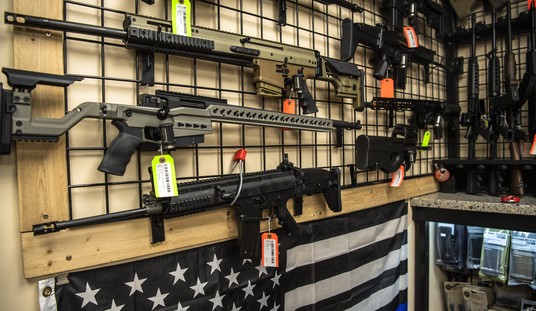
Virginia and Rhode Island just handed the gun-control crowd a textbook lesson in how prohibition backfires. With bans on the horizon, firearm sales in both states exploded by more than 200 percent, proving once again that law-abiding citizens treat threatened rights the way investors treat a looming tax hike—they buy now, before the window slams shut. The surge wasn’t driven by panic or fringe buyers; background-check data show steady, lawful purchasers stocking up on the very platforms politicians vowed to outlaw, a quiet but unmistakable referendum on who actually controls the pace of disarmament.
What makes the numbers especially telling is the geography. Virginia’s long-running reputation as a gun-friendly corridor between the Carolinas and the Northeast has made it a regional hub, yet even there the pre-ban rush outstripped historical Black-Friday spikes. Rhode Island’s smaller market produced a proportionally identical leap, underscoring that the phenomenon isn’t about population size but about perceived permanence of the coming restrictions. In both states the message to legislators was unmistakable: the harder you push, the faster the market clears of inventory and the deeper the bench of newly minted owners becomes.
For the broader Second Amendment community the takeaway is strategic as much as statistical. These pre-ban runs create durable, distributed inventories that blunt future confiscation or registration schemes, while simultaneously swelling the ranks of voters who now have skin in the game. Lawmakers who thought a headline-grabbing ban would translate into easy political points instead manufactured thousands of single-issue stakeholders overnight. The lesson is portable: every threatened restriction is also an accelerant, and the 2A community’s job is to make sure that accelerant keeps the fire of resistance burning long after the politicians move on to their next cause.


