

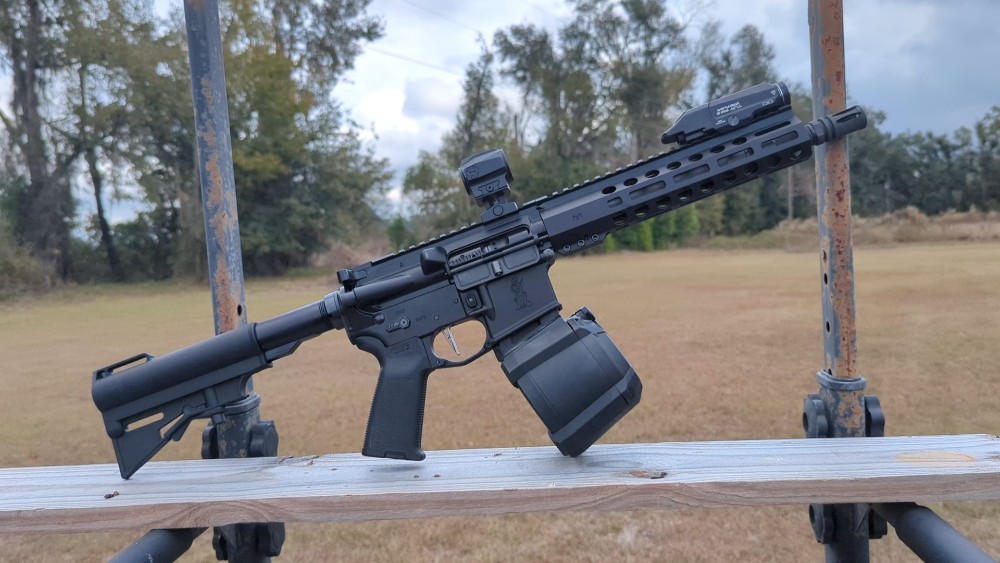
Virginia prosecutors are drawing a hard line against what they see as an unconstitutional overreach, refusing to enforce Rep. Abigail Spanberger’s proposed gun restrictions that would effectively ban certain semi-automatic firearms and magazines. Their stance isn’t just about workload or politics—it’s a direct rebuke of legislation that sidesteps due process and the Second Amendment by criminalizing the mere possession of lawfully acquired property. In a state where rural sheriffs and local DAs already shoulder the burden of enforcing vague, poorly drafted rules, this pushback signals that elected officials at the ground level recognize the practical and constitutional mess such bans create.
For the 2A community, this development is more than symbolic; it underscores how local resistance can blunt top-down gun control even when statehouses or Congress flirt with restrictions. Prosecutors declining to pursue cases under Spanberger’s framework effectively nullifies the law’s teeth without waiting for lengthy court battles, a tactic that echoes historical pushback against measures like magazine bans in other states. It also highlights the growing rift between federal lawmakers chasing national headlines and the local officials who must actually apply those rules to citizens who’ve broken no prior law.
The broader implication is clear: gun owners and pro-2A advocates should track not just legislation but enforcement patterns, because selective non-enforcement can preserve rights faster than litigation alone. This episode reinforces that the Second Amendment’s strength often rests on decentralized power—sheriffs, prosecutors, and juries willing to say “no” when higher authorities attempt to redefine what constitutes lawful self-defense or property ownership.


