

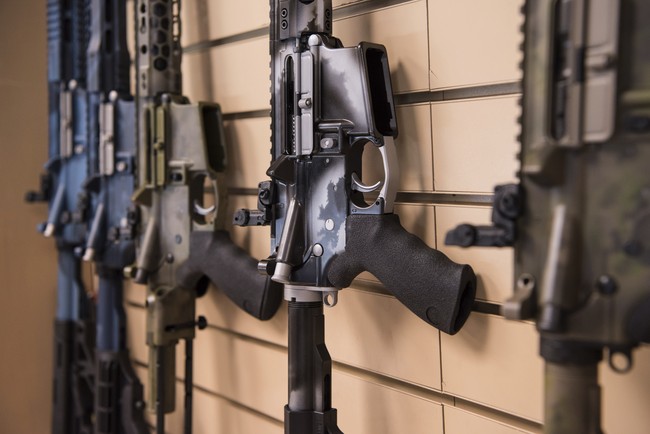
Virginia Lt. Governor Winsome Sears has every reason to be furious: when elected prosecutors openly announce they will not enforce a duly passed assault-weapons restriction, they are not exercising “discretion,” they are staging a slow-motion nullification of the Second Amendment. The move turns the rule of law on its head—legislators pass statutes, courts test their constitutionality, and law-enforcement officials either uphold them or challenge them through proper channels; selective non-enforcement by ideologically aligned DAs simply hands one side of the culture war a veto it was never granted at the ballot box. For Virginians who lawfully own semi-automatic rifles, the message is chilling: today’s prosecutorial rebellion may protect their magazines, but tomorrow’s rebellion could just as easily target carry permits or ammunition purchases once the political winds shift.
The deeper problem is that this episode exposes how fragile paper rights become when institutions refuse to play their assigned roles. An assault-weapons ban already sits on constitutionally shaky ground after Bruen’s history-and-tradition test; if prosecutors will not defend even a questionable law, the courts never get the chance to strike it down, leaving millions of Virginians in a gray zone where their property rights hinge on the mood of the local commonwealth’s attorney. That uncertainty ripples outward—manufacturers pause planned expansions, trainers cancel classes, and ordinary citizens wonder whether their next magazine purchase will turn them into a test case. Pro-2A advocates should treat this not as a temporary victory but as a warning: when government actors pick and choose which constitutional provisions to honor, the Second Amendment is only as secure as the next election or the next rogue prosecutor.


