

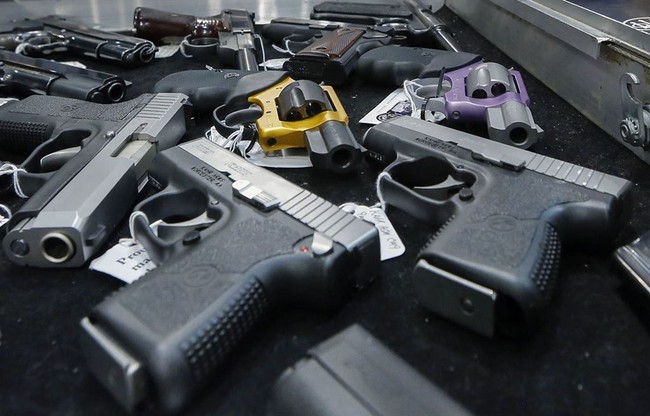
A Virginia courtroom is about to become the latest arena where the Second Amendment collides with the expanding reach of “universal” background checks, and the stakes are higher than the usual talking points suggest. The case centers on whether the state can force every transfer—even between law-abiding adults—through a government database while simultaneously treating 18-to-20-year-olds as second-class citizens who must wait until 21 before exercising the right to keep and bear arms. That dual restriction is not an accident; it reflects a deliberate strategy to normalize prior restraint on a constitutionally protected activity and to create an age-based subclass whose rights can be dialed up or down according to legislative mood.
What makes the hearing especially telling is the timing. Virginia’s Democratic legislature has spent the last several sessions layering new procedural hurdles onto gun ownership under the banner of “closing the loophole,” yet data from states with similar regimes show negligible impact on prohibited persons while creating real friction for young adults trying to buy their first defensive firearm. The plaintiffs are essentially asking the court to decide whether the Second Amendment tolerates a world in which an 18-year-old can vote, sign contracts, and enlist in the military but cannot complete a simple private transfer without first obtaining state permission. If the judge accepts the state’s framing, the precedent could travel: other blue-state attorneys general are already eyeing parallel age-plus-background-check packages that would further fragment the right into a permission slip rather than a presumption.
For the broader 2A community the lesson is straightforward—litigation is no longer a mop-up operation after legislation passes; it is the main front. Every new “universal” check or age floor is drafted with the expectation that courts will defer, so the only durable check is sustained, well-funded legal pushback that forces judges to confront the historical evidence that 18-to-20-year-olds were part of the militia at the Founding and that most transfers throughout American history occurred without government paperwork. The Virginia hearing is therefore less about one statute and more about whether the judiciary will continue to treat the Second Amendment as a real limit on legislative creativity or simply another policy domain where good intentions enjoy a free pass.


