

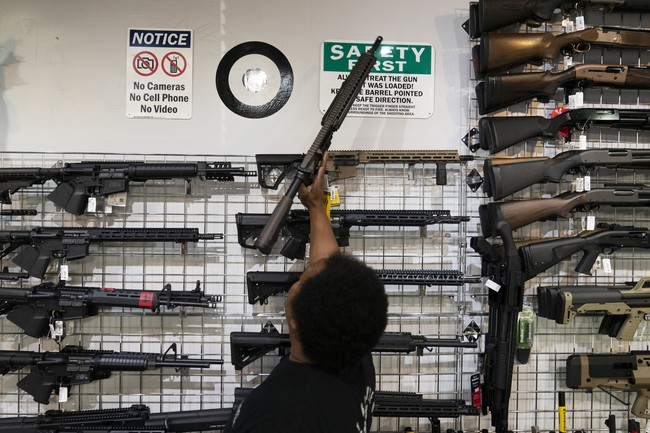
A Virginia judge’s decision to extend an injunction against the state’s so-called “assault firearm” ban beyond the original plaintiffs and across the entire Commonwealth is more than a procedural win—it’s a direct rebuke to the notion that rights can be parceled out by zip code. By recognizing that an unconstitutional restriction cannot be selectively enforced, the court has effectively told Richmond that if the law fails constitutional muster for some citizens, it fails for all. That principle matters in a state where Democratic lawmakers have repeatedly tried to slice away at the Second Amendment with magazine limits, “assault weapon” definitions, and red-flag schemes that shift the burden onto law-abiding owners.
The ruling also underscores how fragile these bans remain once they face rigorous judicial scrutiny rather than friendly media framing. Virginia’s statute leaned on the usual vague features-based test—pistol grips, folding stocks, flash hiders—that courts elsewhere have increasingly found unworkable or historically untethered. When a judge refuses to let the state enforce such a measure even provisionally, it signals that the Heller-Bruen framework is doing what it was meant to do: forcing legislatures to justify modern restrictions with Founding-era analogues instead of public-safety talking points. For the 2A community, the practical takeaway is clear—organized litigation, not just legislative defense, remains the most reliable brake on incremental disarmament.
Looking ahead, this statewide injunction sets a precedent other states will have to reckon with as similar challenges move through the pipeline. It also hands Virginia’s gun owners a temporary but meaningful reprieve while the underlying constitutional questions are litigated, buying time to organize, educate, and prepare for the next round of hearings. In a political environment where one-party rule often treats the right to keep and bear arms as a bargaining chip, victories like this remind everyone that the courts can still serve as a check when the political branches will not.


