

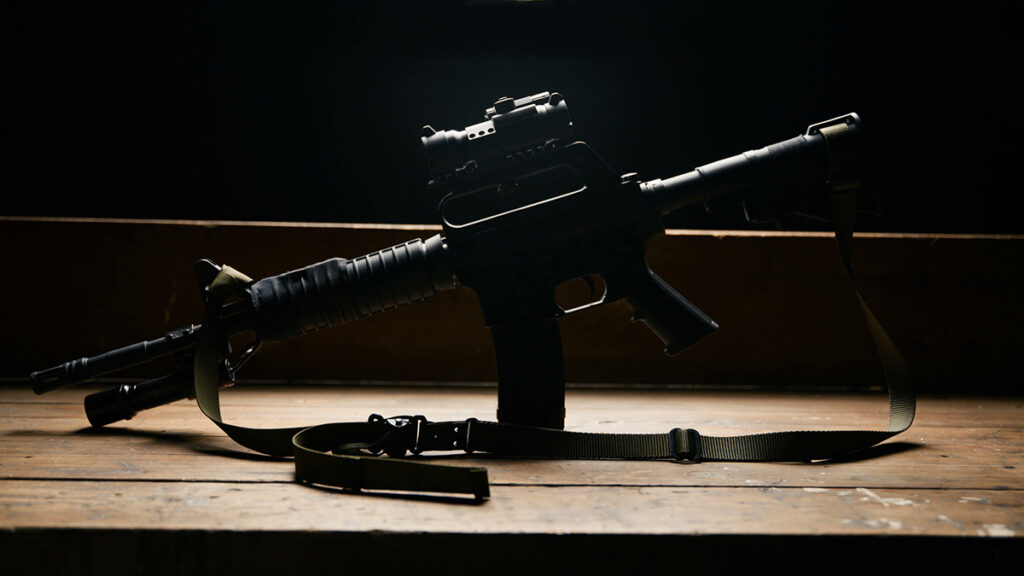
Virginia’s latest attempt to restrict semi-automatic firearms is already running into a legal buzzsaw, with five separate lawsuits filed before the July 1 enforcement date even arrives. The suits—brought by a coalition of gun owners, dealers, and civil-rights groups—argue that the measure violates both the state constitution’s explicit right-to-bear-arms provision and the federal Second Amendment as interpreted in Bruen. What makes this fight especially telling is how quickly the litigation materialized; the speed and breadth of the challenges signal that Virginia’s gun-owning community has learned to treat every new restriction as an opening round rather than a settled defeat.
The deeper implication is that these cases will test whether post-Bruen courts are willing to demand genuine historical analogues instead of the policy rationales gun-control advocates prefer. If even one suit survives to discovery, the state will have to produce 18th- or 19th-century laws that meaningfully burdened the arms now targeted—an evidentiary bar most modern restrictions have never cleared. For the broader 2A community, the Virginia litigation serves as both warning and template: organized, well-funded pre-enforcement challenges can stall implementation, drive up political costs, and keep the Overton window from sliding further left on the issue of private firearm ownership.


