

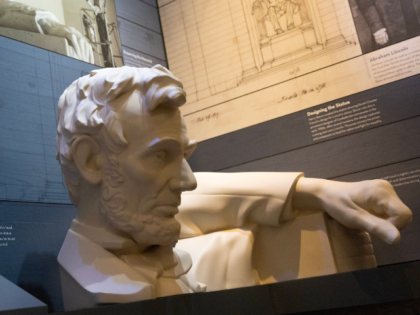
Beneath the marble steps where Lincoln’s words echo across the Reflecting Pool, a long-sealed chamber has finally opened its doors just in time for America’s semiquincentennial. For more than a century the undercroft sat dark and unused, a forgotten vault beneath one of the nation’s most solemn civic temples. Now, as visitors descend into the newly revealed space, they encounter not only architectural details and construction artifacts but also a tangible reminder that the Republic’s most revered monuments were built to last because the principles they honor were meant to endure. For those who cherish the Second Amendment, the timing could not be more pointed: the same constitutional order that Lincoln defended is once again under quiet assault, and the physical unveiling of this hidden foundation offers a powerful metaphor for the need to expose and defend the structural supports of liberty that too many citizens take for granted.
The Lincoln Memorial was dedicated in 1922, just three years after Congress passed the National Firearms Act’s intellectual predecessor—the War Revenue Act’s pistol and revolver tax—and at a moment when the living memory of armed citizen-soldiers who preserved the Union was still vivid. Today the undercroft’s debut coincides with fresh litigation challenging magazine bans, “ghost gun” rules, and discretionary permitting schemes that treat the right to keep and bear arms as a privilege rather than a birthright. By walking through the memorial’s literal underpinnings, visitors are invited to consider what lies beneath our current legal architecture: not marble and rebar alone, but the Bill of Rights’ structural insistence that government exists to secure pre-existing liberties, not to ration them. The 250th anniversary therefore becomes more than a birthday party; it is a diagnostic opportunity to inspect whether the constitutional load-bearing walls remain sound or whether decades of incremental regulation have introduced hidden stress fractures.
For the 2A community the lesson is straightforward: monuments do not defend themselves, and neither do rights. Just as engineers once left an empty chamber beneath Lincoln’s statue for future generations to discover, the Founders left textual space in the Constitution for citizens to reclaim when officials forget the plan. The undercroft’s opening should prompt every gun owner to treat this national milestone as a call to action—educate new shooters, support litigation that tests unconstitutional edicts, and insist that any commemoration of 250 years of American independence include an honest accounting of the individual right that makes all other freedoms enforceable. In that sense, the hidden museum is not merely a tourist attraction; it is a quiet challenge to ensure that the next century of the Republic remains as firmly anchored to the Bill of Rights as the Lincoln Memorial is anchored to its bedrock.


