

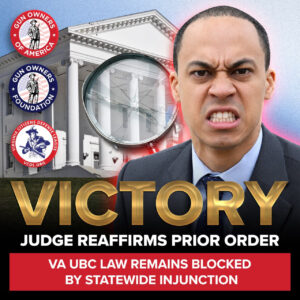
The recent string of wins in Virginia shows just how much ground the gun-control lobby has lost when citizens actually show up and legislators feel the heat. Lawmakers there have been forced to walk back several of the post-2020 restrictions, and the pattern is clear: localities that once treated the Second Amendment like an afterthought are now quietly restoring rights rather than expanding bans. That shift isn’t happening in a vacuum; it’s the direct result of sustained grassroots pressure and a judiciary that’s finally applying Bruen’s text-and-history test instead of the old interest-balancing dodge.
At the federal level, Congress’s pointed questions to the DOJ about its enforcement priorities send an unmistakable signal that oversight is back on the table. Lawmakers are no longer content to let agencies stretch statutes to target lawful owners while ignoring violent offenders; they’re demanding data on charging decisions, trace data misuse, and whether the department is quietly building registries under the guise of “public safety.” Those inquiries matter because they create a public record that can be used in future litigation and appropriations fights, effectively putting enforcement agencies on notice that every new rule will face both judicial and legislative scrutiny.
For the broader 2A community the takeaway is straightforward: momentum is real, but it’s also fragile. Victories in one state can be reversed by a single election cycle, and federal agencies retain enormous discretion until Congress reins them in with funding or new statutory language. The lesson is to treat each court win and each oversight hearing as a beachhead, not a conclusion—keep the pressure on statehouses, keep the records requests flowing, and keep reminding legislators that voters who care about the right to keep and bear arms are both motivated and organized.


