

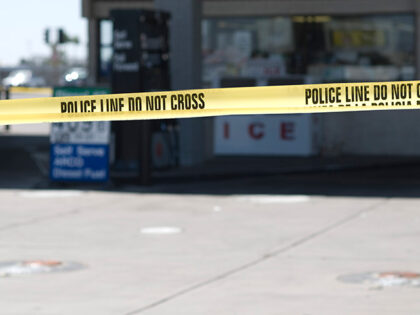
A Utah gas station became the latest proving ground for the principle that armed citizens can and do stop violent threats in seconds, not minutes. When a shotgun-wielding man—enraged over being refused alcohol—stormed into the Riverton convenience store, the first and only effective response came from an ordinary bystander who ended the attack before police arrived. That outcome is neither surprising nor accidental; it is the predictable result of a culture that still trusts law-abiding adults with the tools of self-defense.
For the 2A community, the incident underscores two realities that grab-and-grin headlines rarely capture. First, the defensive shot was not an act of vigilantism but of necessity: the attacker had already brandished a long gun inside a crowded retail space, leaving bystanders with no margin for retreat or delay. Second, the speed of the intervention highlights why “shall-issue” carry laws and constitutional-carry expansions matter—rights exercised daily by millions of citizens who never appear in crime statistics until the moment they are needed. In Riverton, one split-second decision converted a potential mass-casualty event into a single-fatality shooting that spared employees and customers alike.
Critics will reflexively call for more restrictions, yet the data pattern remains consistent: jurisdictions that respect the right to bear arms continue to see private citizens interrupt active shootings faster than centralized 911 responses can hope to match. The Riverton case adds one more data point to that ledger, reminding policymakers that the Second Amendment is not a theory but a practical safeguard measured in the lives preserved between the first trigger-pull and the first squad-car siren.


