

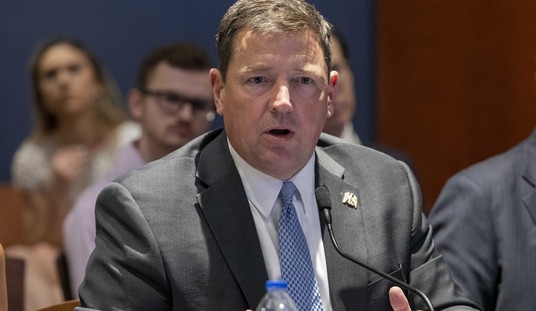
The U.S. Pardon Attorney’s recent declaration that restoring gun rights is “very American” lands like a quiet but unmistakable shot across the bow of the gun-control lobby. In a political climate where the Second Amendment is often treated as a conditional privilege rather than a fundamental right, the statement reframes restoration as an act of civic redemption rather than a loophole. It signals that the federal government is willing to treat the right to keep and bear arms as something that can be earned back, not permanently forfeited by a single mistake. For the 2A community, this is more than bureaucratic housekeeping; it’s an implicit acknowledgment that the right to self-defense is not a one-strike-and-you’re-out proposition.
What makes the timing especially interesting is the simultaneous rollout of a new DOJ process for prohibited persons to petition for restoration. Rather than forcing individuals through the expensive and uncertain route of a presidential pardon, the administration is creating a more structured administrative path. That shift could dramatically increase the number of Americans whose rights are restored, particularly those whose disqualifying offenses are decades old and non-violent. The move also undercuts the narrative that any expansion of gun rights is inherently dangerous; instead, it treats restoration as a case-by-case judgment rooted in rehabilitation and public safety. For pro-2A advocates, this is a practical victory that could blunt future arguments for lifetime bans.
The broader implication is that the Overton window on gun rights is moving—not just toward shall-issue carry or constitutional carry, but toward a more nuanced understanding of who should be permanently excluded from the right. By framing restoration as quintessentially American, the Pardon Attorney is tapping into a cultural narrative of second chances that resonates far beyond the gun community. If this process becomes normalized, it could set a precedent that even the most restrictive states will find difficult to ignore, reinforcing the idea that the Second Amendment is not a privilege granted by government but a right that government can only take away under the narrowest of circumstances—and sometimes give back.


