

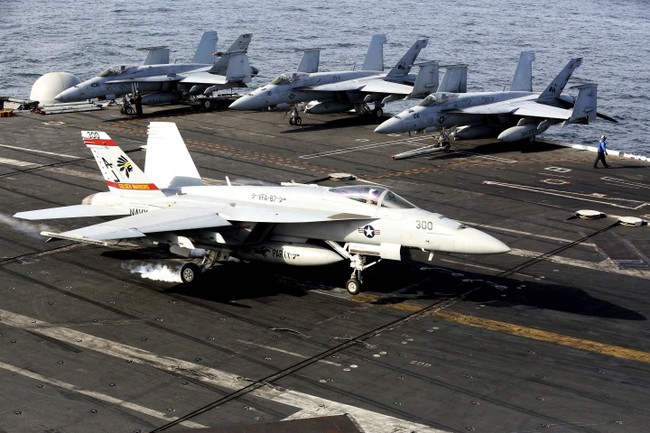
The U.S. decision to label its latest strikes on Iranian targets as “self-defense” is more than semantics—it’s a deliberate signal that Washington is willing to use force to keep nuclear material out of the hands of a regime that has openly threatened both Israel and American interests. By pairing those strikes with President Trump’s blunt demand that Tehran either surrender its enriched uranium or watch it be destroyed, the administration is telegraphing that the old policy of patient diplomacy has been replaced by a results-oriented posture that treats nuclear latency as an unacceptable risk. For the firearms community, the takeaway is straightforward: when a hostile state inches closer to a deliverable nuclear device, the value of an armed citizenry at home rises in direct proportion to the instability abroad, because deterrence begins with credible second-amendment strength that no foreign adversary can confiscate or regulate away.
At the same time, the episode underscores how quickly regional flare-ups can ripple into domestic policy debates over ammunition stockpiles, magazine capacity, and the right to train with modern defensive rifles. Every time Iran-backed proxies test U.S. resolve, lawmakers and pundits who favor restrictions trot out the same tired claim that “assault weapons” have no place in civilian hands; yet the very real prospect of supply-chain disruptions or sudden mobilization reminds shooters why large-capacity magazines and reliable semi-automatic platforms remain practical insurance against both foreign adventurism and bureaucratic overreach. In short, the strikes and the uranium ultimatum are not abstract foreign-policy theater—they are live-fire demonstrations that the surest guarantor of American security, at home and abroad, is a population that refuses to be disarmed.


