

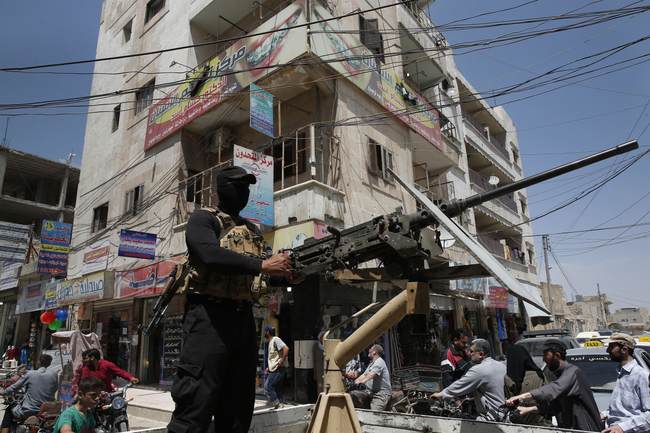
The UN’s latest hand-wringing over conflict weapons migrating into civilian hands is less a revelation than a long-overdue admission that borders, treaties, and paper restrictions have never stopped determined actors from moving firearms. When the organization points to stockpiles from past wars feeding ongoing violence, it inadvertently validates the core pro-2A observation that criminals and cartels source guns through black markets, theft, and smuggling routes that ignore every licensing scheme or import ban Western governments impose on their own citizens. The real story isn’t that guns travel; it’s that the same governments lecturing law-abiding owners about assault weapons and ghost guns have spent decades arming questionable allies whose arsenals later evaporate into the very conflicts they now decry.
This pattern exposes the futility of domestic gun control as a violence-reduction strategy. If millions of military-grade rifles can slip across continents despite UN arms-trade treaties and end-user certificates, then requiring background checks or magazine limits on American citizens does nothing to disarm someone willing to pay a smuggler or steal from a police evidence locker. The data the UN itself cites—recovered serial numbers tracing back to Cold War-era aid packages—demonstrates that supply follows demand, and demand is driven by failed states, not by the presence of 400 million lawfully owned firearms in the United States. For the 2A community, the takeaway is straightforward: every new restriction layered onto legal owners simply creates another regulatory hurdle that organized criminals will route around, while leaving citizens less able to deter or survive the spillover violence those same international failures produce.
The broader implication is that sovereignty and self-reliance remain the only reliable firewalls. Rather than chasing phantom common-sense measures that disarm the compliant, policymakers serious about reducing gun crime would focus on securing borders, prosecuting straw purchasers, and dismantling the foreign-policy pipelines that flood regions with weapons in the first place. The UN report, meant as ammunition for more controls, instead underscores why millions of Americans continue to view the Second Amendment not as a loophole but as the last honest acknowledgment that peaceable people must retain the means to protect themselves when governments and international bodies prove incapable of doing so.


