

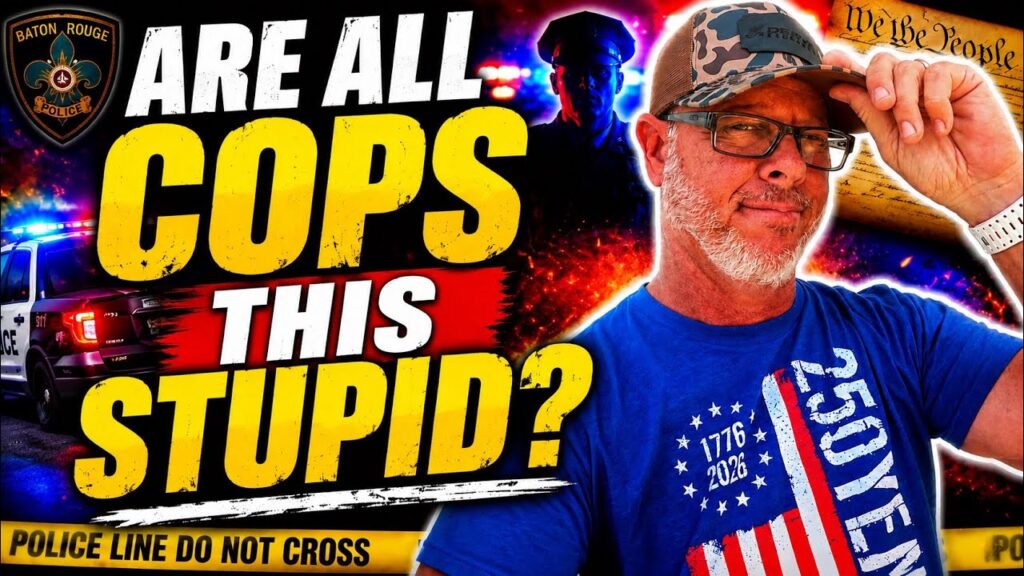
When officers from the Baton Rouge Police Department—including Sergeant Trina Dorsey—respond to a complaint about a citizen recording in a public post office, the encounter quickly devolves into a textbook case of constitutional overreach. The citizen, exercising his First Amendment right to film public officials in a public space, finds himself surrounded, disarmed, and effectively detained without probable cause or a warrant. Bodycam footage reveals officers fumbling through legal justifications, misstating the law, and even threatening arrest for actions that are clearly protected. The irony is hard to miss: a department that claims to serve and protect ends up holding a law-abiding citizen hostage for daring to document their own conduct.
This incident is more than just another viral video of police misconduct—it’s a stark reminder of how easily rights can be trampled when officers are either poorly trained or ideologically driven. The mention of “DEI cops” in the headline isn’t just clickbait; it points to a growing concern within the 2A community that diversity, equity, and inclusion initiatives are sometimes prioritized over merit, leading to officers who may lack the legal acumen or situational awareness required for the job. When public servants don’t understand the difference between a lawful order and a rights violation, the result is predictable: citizens are left vulnerable, and trust in law enforcement erodes further. For gun owners, this is especially troubling—because if officers can’t get the First Amendment right, what happens when the Second Amendment is on the line?
The broader implication is clear: the 2A community must remain vigilant not just against legislative threats, but against the slow creep of institutional incompetence and politicized policing. Every time an officer misapplies the law on camera, it reinforces the need for armed, informed citizens who know their rights and are willing to assert them. This isn’t about anti-police sentiment—it’s about accountability. Because when the badge becomes a shield for ignorance instead of a symbol of service, the right to keep and bear arms isn’t just a constitutional principle—it’s a practical necessity.


