

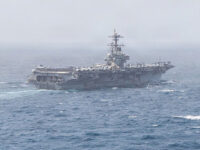
The U.S. decision to strike Iranian targets after an attack on a cargo ship in the Strait of Hormuz is a stark reminder that global shipping lanes remain the arteries of modern commerce—and that any disruption there ripples straight into domestic supply chains. When oil tankers and container vessels face missile or drone threats, the resulting price spikes and delivery delays hit American manufacturers, farmers, and small businesses first, underscoring why secure energy independence and resilient logistics matter as much to everyday citizens as they do to Pentagon planners. For the 2A community, the episode reinforces a core truth: when distant flashpoints threaten the flow of goods, the ability of law-abiding Americans to keep and bear arms becomes not just a constitutional right but a practical hedge against uncertainty at home.
Beyond the immediate tactical exchange, the episode highlights how quickly regional actors can weaponize chokepoints that carry roughly one-fifth of the world’s oil. That leverage invites miscalculation, and history shows that sanctions, naval escorts, and precision strikes rarely resolve the underlying political grievances driving such attacks. The 2A angle is straightforward: while policymakers debate carrier deployments and sanctions packages, individual preparedness—whether through marksmanship training, responsible ownership, or community-based security networks—remains the last line of defense when official responses lag or prove insufficient. In short, the Strait of Hormuz clash is another data point that personal liberty and national resilience are intertwined; an armed, informed citizenry is better positioned to weather both foreign shocks and the policy ripple effects that follow.


