

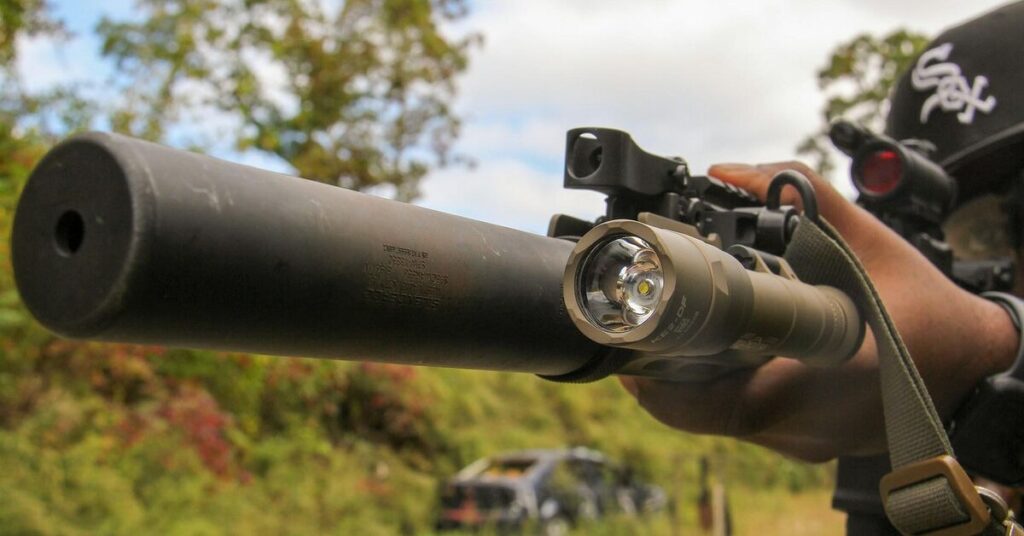
The Commerce Department’s decision to shift most suppressor exports off the State Department’s ITAR list and onto the Commerce Control List is less a deregulation than a re-labeling, but it still matters. For the millions of Americans who only ever shoot their cans at domestic ranges or in the woods, the change is invisible; the same ATF Form 4, tax stamp, and background check still govern possession. What changes is the paperwork burden for manufacturers who want to send demonstration units to overseas matches or for professional shooters who travel with their gear. Instead of the State Department’s notoriously slow and expensive licensing regime, exporters will now file under the EAR—still regulated, but usually faster and cheaper. That matters because it lowers the cost of showing U.S.-made suppressors to foreign buyers who might otherwise default to European or Asian options.
The carve-out for “full-auto-specific” suppressors that remain on the USML is the fine print worth watching. It keeps the most militarily sensitive hardware under tighter control, but it also creates a definitional gray zone: how much back-pressure reduction or materials science crosses the line from “civilian” to “full-auto only”? Expect lawyers, not engineers, to spend the next year drawing that line, and expect some smaller manufacturers to err on the side of caution and simply forgo certain export markets. In the bigger picture, the move signals that the federal apparatus increasingly treats civilian silencers as the safety accessories they are, rather than as weapons of war—an incremental cultural shift that could make future reforms, such as removing the $200 tax stamp, feel less radical.
For the 2A community, the real takeaway is that steady, technical deregulation often accomplishes more than headline-grabbing legislation. Each reduction in friction—whether moving a product category or shortening a form—chips away at the notion that suppressors are exotic devices instead of ordinary safety equipment. Watch which companies exploit the new pathway first; their success stories will become the next set of talking points when advocates argue for bringing the rest of the world’s suppressor regime to the United States.


