

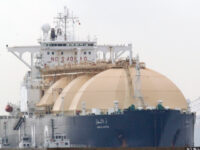
The latest tanker escapes through the Strait of Hormuz underscore a timeless truth: when governments or hostile actors try to choke off critical supply lines, those who value freedom find ways to keep moving. By running dark—killing AIS transponders and navigating without electronic signatures—these vessels are exercising the same principle that underpins the Second Amendment: the right and responsibility of free people to maintain independent means of self-defense and self-reliance when official channels fail or turn hostile. In both cases, the message is clear—centralized control invites vulnerability, while decentralized capability preserves liberty.
For the firearms community, these maritime maneuvers serve as a vivid reminder that deterrence works best when it is visible, credible, and distributed. Just as a well-armed citizenry discourages tyranny without needing to fire a shot, the mere possibility that tankers can slip past Iranian interdiction forces raises the cost of aggression and buys time for diplomatic or military responses. The 2A analogy is direct: an armed population, like a fleet willing to run silent, shifts the calculus of would-be aggressors who prefer soft targets over hardened ones.
Strategically, the pattern suggests that future energy security—and by extension, national resilience—will increasingly depend on technologies and mindsets that prize autonomy over permission. Whether it is encrypted comms at sea or privately held firearms on shore, the through-line is the same: those who prepare to operate outside the system when the system is compromised are the ones who keep commerce, and freedom, flowing.


