

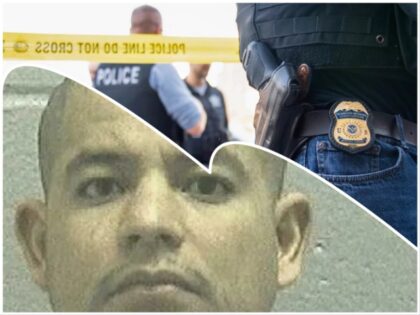
When ICE agents in Atlanta took down 38-year-old Pedro Guadarrama-Loza, they weren’t just nabbing another repeat offender—they were intercepting a pipeline that funnels Mexican-sourced methamphetamine straight into American neighborhoods. Loza’s rap sheet already included felony convictions and two prior deportations, yet he was still free to orchestrate a 275-pound meth shipment that could have fueled countless violent crimes. The bust underscores a hard truth: border security failures don’t just affect immigration statistics; they directly empower the cartels that arm themselves with the profits from that poison and then turn those weapons on U.S. citizens.
For the 2A community, the takeaway is blunt. Every pound of cartel dope that crosses the border represents cash that will eventually buy rifles, handguns, and body armor for the same organizations that routinely outgun local law enforcement. When federal agents seize that much meth, they’re also seizing the future purchasing power that would have been used to acquire firearms—often through straw buyers or corrupt FFLs in sanctuary jurisdictions. Law-abiding gun owners who support stricter interior enforcement aren’t being anti-immigrant; they’re recognizing that an unsecured border is an unsecured gunfight waiting to happen.
The Atlanta operation also highlights why prosecuting immigration violations alongside drug charges matters. Loza wasn’t some first-time border crosser; he was a convicted felon who should never have been here in the first place. Keeping him out would have prevented both the meth distribution and whatever armed muscle he might have hired to protect it. In short, enforcing existing immigration law is a force-multiplier for public safety—and for preserving the constitutional right of Americans to defend themselves against the violence that follows when those laws are ignored.


