

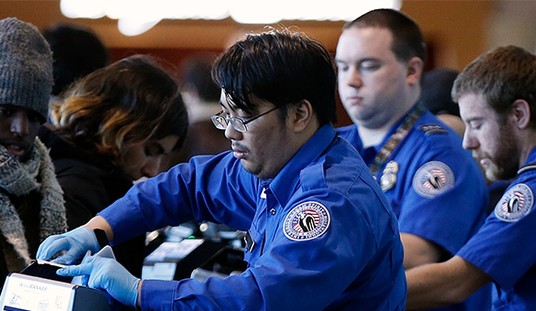
A South Carolina mother learned the hard way that even a child’s plastic six-shooter can trigger the full weight of federal bureaucracy when TSA agents at Charleston International Airport flagged her son’s cowboy costume and refused to let the family board until the toy was surrendered. The six-year-old’s outfit—complete with a faux-leather holster and a bright-orange-tipped revolver—was apparently indistinguishable from a “real firearm” to screeners trained to treat every silhouette as a threat. The family missed their flight, the child lost his costume, and taxpayers footed the bill for yet another exercise in security theater that accomplished nothing except to remind travelers that the rules are applied with robotic inflexibility.
For the Second Amendment community, the episode is a microcosm of a larger cultural shift: the same agencies that insist a six-year-old’s toy is too dangerous to fly are simultaneously pushing “ghost gun” rules and red-flag laws that treat constitutionally protected firearms as presumptive public menaces. When a child’s costume is enough to ground a family, it signals that the Overton window on what constitutes acceptable gun imagery has slid so far left that even play-acting at the frontier is suspect. The practical takeaway is that parents who value both safety and heritage now face an impossible choice—leave the cowboy gear at home or risk similar bureaucratic friction every time they travel.
The deeper implication is that these micro-incidents normalize the idea that firearms, real or otherwise, are so inherently hazardous that ordinary citizens cannot be trusted with even symbolic possession. That mindset fuels the incremental restrictions Second Amendment advocates have spent decades resisting: magazine bans, “assault weapon” prohibitions, and the quiet expansion of no-fly lists to include people whose only offense is an interest in the shooting sports. If a child’s toy can be confiscated without due process, the logical next step is to ask how much process will be afforded when the object in question is an actual, lawfully owned firearm.


