

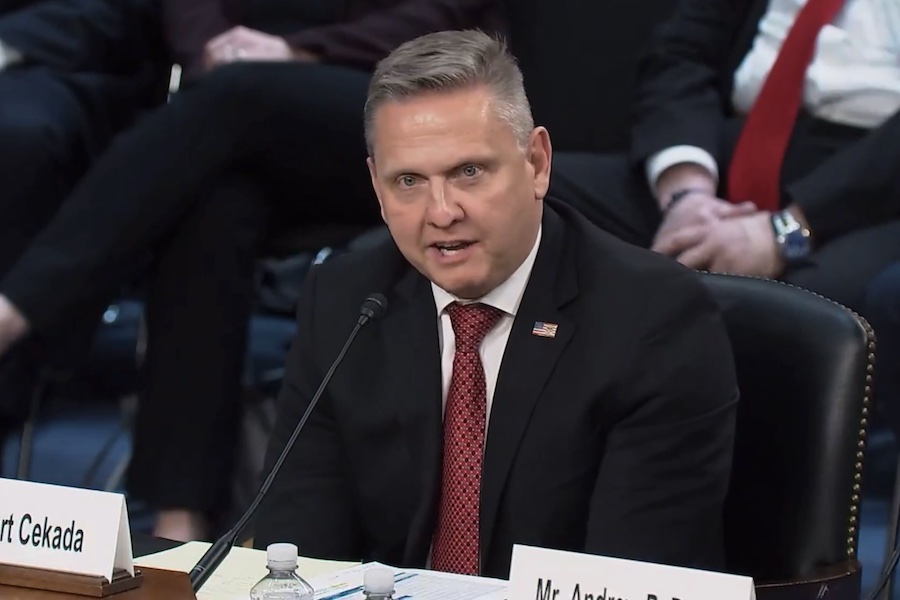
Cekada’s early moves signal more than bureaucratic housekeeping—they mark a deliberate pivot away from the Biden-era pattern of weaponizing regulatory ambiguity against lawful gun owners. Where previous leadership leaned on “ghost gun” rules, pistol-brace reclassifications, and expansive interpretations of who qualifies as a dealer, the new director’s emphasis on rebuilding trust implies a narrower reading of statutory authority and a willingness to revisit enforcement priorities that stretched the Gun Control Act beyond its text. That shift matters because ATF field offices still operate under the same statutes; a change in tone at the top can translate into fewer surprise inspections, clearer guidance letters, and a reduced appetite for creative charging decisions that treat paperwork errors as felony trafficking.
For the 2A community the real test will be whether this rhetoric survives the first politically charged test case—perhaps another pistol-brace clarification or a demand from Capitol Hill to crack down on private sales. Optimism is warranted only if Cekada pairs his trust-building language with concrete actions: rescinding or narrowing the Biden-era rules still under litigation, publishing plain-language compliance guides instead of enforcement “FAQs,” and publicly disciplining agents who repeat the overreach documented in congressional oversight hearings. If those steps materialize, the agency could move from perceived adversary to predictable regulator; if they don’t, “trust but verify” will read as another slogan while the underlying statutes remain unchanged and ready for the next administration to exploit.


