

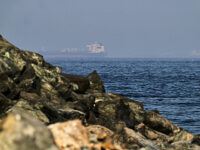
In a move that blends high-stakes diplomacy with classic Trump-brand leverage, the former president is floating the idea of slapping U.S.-controlled tolls on traffic through the Strait of Hormuz unless Tehran signs on the dotted line within sixty days. The threat isn’t just about oil tankers; it’s a reminder that whoever controls the chokepoints also controls the revenue streams that fund both friends and adversaries. For the firearms community, the subtext is unmistakable: energy leverage equals strategic leverage, and strategic leverage keeps defense budgets—and therefore domestic manufacturing lines—well fed.
The real story isn’t the toll booth itself; it’s the signal that American power can be projected through economic chokeholds rather than endless ground wars. That posture tends to favor a strong navy and expeditionary air wings over nation-building, which in turn keeps the defense-industrial base focused on platforms that actually get used and maintained. When those budgets stay robust, everything from precision munitions to the small-arms ecosystem that supports them sees steadier demand, sustaining the very companies that equip both the military and the lawfully armed citizen.
Critics will call the toll idea reckless, but the 2A crowd recognizes the underlying principle: deterrence works best when it’s credible and when the other side knows you’re willing to impose real costs. A president who treats maritime real estate like negotiable property is also more likely to treat the Second Amendment like non-negotiable terrain. In both cases, the message is the same—strength isn’t provocative; weakness is.


