

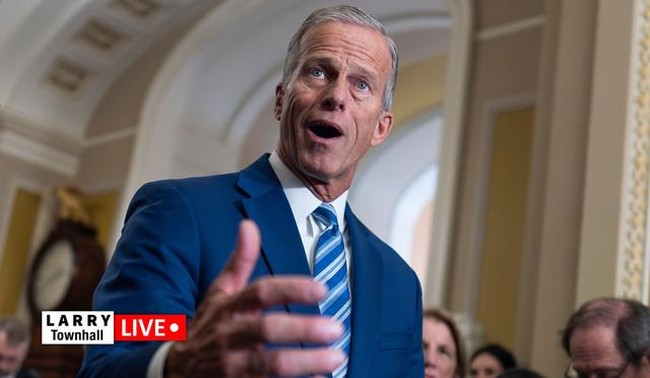
President Trump’s decision to publicly call out Senate Republicans who blocked the SAVE America Act isn’t just political theater—it’s a calculated move that exposes the same institutional weakness the gun-rights community has battled for decades. When lawmakers who claim to support the Constitution cave to pressure on even modest reforms, it signals to the anti-Second Amendment lobby that the GOP’s majority is negotiable. The 2A community has watched this movie before: promises on the campaign trail followed by quiet retreats once the cameras leave the room. Trump’s willingness to name names raises the political cost of that retreat and reminds fence-sitting senators that primary voters are paying attention.
The ripple effects extend beyond one bill. By spotlighting “traitors” inside his own party, Trump is effectively crowdsourcing accountability, a tactic that worked during the 2016-2020 term when public pressure helped stall several gun-control initiatives. For pro-2A organizations and grassroots activists, this moment offers fresh leverage: every senator placed on the hot seat becomes a target for donor scrutiny, primary challenges, and state-level mobilization. The same energy that defeated the pistol-brace rule and pushed constitutional carry in dozens of states can now be redirected at any Republican who treats the right to keep and bear arms as a bargaining chip rather than a non-negotiable.
Longer term, the episode underscores why the firearms community cannot outsource its defense to any single party or politician. Even with a sympathetic White House, legislative victories remain fragile when internal opposition can be bought or intimidated. The lesson is clear—sustained, organized pressure at every level of government is the only reliable safeguard. Trump’s naming of names may be the spark, but it will be the vigilance of gun owners that keeps the flame alive through 2026 and beyond.


