

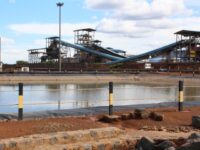
Trump’s latest diplomatic push in Africa isn’t just about rare-earth oxides and battery metals—it’s a calculated flanking maneuver against Beijing’s chokehold on the materials that feed everything from smartphones to precision-guided munitions. By locking in new supply agreements with resource-rich nations that have grown wary of China’s debt-trap diplomacy, the administration is quietly diversifying the global mineral map at the exact moment defense contractors are scrambling for non-Chinese sources of lithium, cobalt, and graphite. For the firearms community this matters because those same minerals sit inside the electronics of modern optics, ballistic computers, and even the primers and propellants that keep America’s ammunition lines humming; every new African partner that refuses to sell exclusively to Chinese state firms is one less lever Beijing can yank during a future crisis.
The real story isn’t the headline-grabbing mineral tonnage—it’s the precedent. When Washington demonstrates it can out-compete China on infrastructure, security guarantees, and transparent contracts, African governments gain leverage to renegotiate or walk away from lopsided deals that once funneled critical ores straight to Shenzhen. That shift ripples downstream to the reloading bench and the gun safe: reduced risk of sudden export bans, steadier pricing for imported components, and a stronger hand for domestic manufacturers who have spent the last decade warning about single-point failures in the supply chain. In an era when export controls and sanctions already shape what civilians can buy, any policy that hardens the upstream resilience of raw materials is an unspoken win for the Second Amendment ecosystem that depends on uninterrupted production.
Critics will frame this as great-power gamesmanship, but the 2A angle is straightforward: strategic depth in critical minerals translates directly into strategic depth for American gun owners. A diversified sourcing map means fewer nights wondering whether the next geopolitical shock will empty the shelves of primers or send the cost of tungsten-core projectiles into the stratosphere. Trump’s African opening may read like foreign policy, yet its downstream effect is a quiet insurance policy for the right to keep and bear arms—secured not by legislation alone, but by making sure the dirt that becomes the bullet stays outside any one adversary’s grip.


