

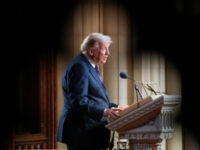
In a moment that transcended the usual partisan theater, President Trump’s eulogy for Senator Lindsey Graham struck a rare chord of genuine respect and shared history. The President’s words painted Graham not merely as a political ally but as a steadfast defender of constitutional principles, including the Second Amendment, during some of the most contentious legislative battles of the past decade. By highlighting Graham’s willingness to stand firm against gun-control measures even when political winds shifted, Trump reminded listeners that the right to keep and bear arms has always depended on lawmakers who refuse to trade principle for expediency.
For the 2A community, the eulogy served as both tribute and subtle call to action. Trump’s emphasis on Graham’s record—opposing magazine bans, supporting national reciprocity efforts, and shielding the industry from frivolous lawsuits—underscored how fragile those victories remain without vigilant representation. The President’s candid acknowledgment that “Lindsey never flinched when the pressure mounted” resonated with gun owners who have watched once-reliable voices waver under media scrutiny or donor influence. In framing Graham’s legacy as one of courage rather than compromise, Trump implicitly challenged current and future legislators to measure themselves against that standard.
The broader implication is clear: the 2A movement’s strength lies not only in grassroots mobilization but in cultivating and retaining allies who view the right to arms as non-negotiable. As the political landscape shifts toward 2024 and beyond, Trump’s eulogy functions as both memorial and measuring stick—reminding the firearms community which qualities to prize in its champions and how quickly institutional memory can fade if those champions are not continually reinforced at the ballot box and in the hearing room.


