

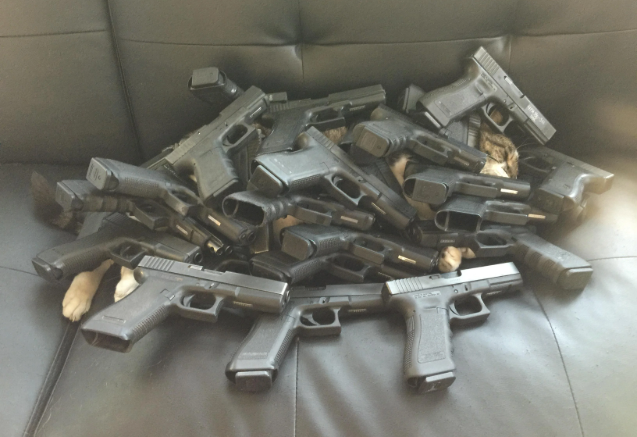
Three major gun-rights organizations are moving fast to block Maryland’s upcoming Glock-style pistol ban before it can take root, filing for a preliminary injunction that would keep the law from taking effect in 2027. The move is more than procedural—it’s a calculated strike at the heart of a statute that singles out one of the most popular handgun platforms in America. By seeking relief now, rather than waiting for the ban to land, the groups are forcing courts to confront the constitutional question while millions of Glock-pattern pistols are still lawfully owned and carried, making any future confiscation or registration scheme far more politically and legally costly.
What makes this case especially sharp is its timing and framing. Maryland’s law is written to phase in over several years, a tactic lawmakers often use to blunt immediate backlash. The injunction request undercuts that strategy by asking the judiciary to decide the Second Amendment issue on today’s facts, not on some distant future harm. If the court grants relief, it signals that restrictions targeting America’s most common defensive handguns are unlikely to survive constitutional scrutiny; if it denies relief, the case becomes a live demonstration of how incremental bans can still be challenged before they mature into enforcement nightmares.
For the broader 2A community, the litigation is both a warning and a template. It shows that even “delayed” restrictions can be met with immediate legal resistance, and that coordinated action among major groups can keep pressure on multiple fronts. More importantly, it underscores that the post-Bruen landscape rewards proactive lawsuits: the groups aren’t merely defending existing rights—they’re shaping the rules of engagement for the next round of state-level restrictions.


