

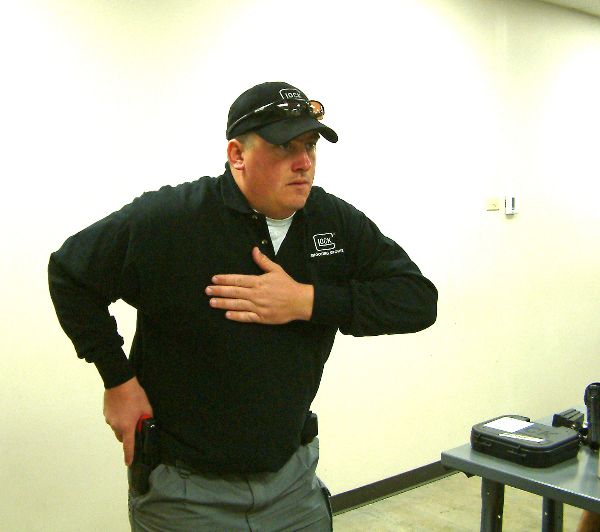
Drawing from the hip under pressure is one of those skills that separates the casual range-goer from the shooter who actually trusts their gear when seconds matter. The piece zeroes in on the small, often-overlooked details—grip acquisition, consistent indexing, and the micro-adjustments that keep the muzzle from sweeping anything you don’t intend to shoot. Those nuances matter because the legal standard for justified use of force hinges on whether your actions were reasonable; a fumbled or unsafe draw can turn a clean self-defense encounter into a reckless-handling charge that prosecutors love to exploit. For the 2A community, every clean, repeatable presentation is another data point proving that armed citizens aren’t the hazard anti-gunners claim we are.
Beyond the mechanics, the discussion highlights how dry-fire and draw-stroke drills translate directly into courtroom credibility. When an instructor can show documented, deliberate practice, it undercuts the “he was just looking for an excuse to shoot” narrative that frequently appears in media coverage of defensive gun uses. That evidentiary layer is becoming increasingly important as more states expand constitutional carry; the faster the learning curve for new permitless carriers, the fewer negligent-discharge headlines for the other side to weaponize. In short, refining the draw isn’t just personal proficiency—it’s quiet, proactive reputation management for the entire right-to-bear-arms movement.


