

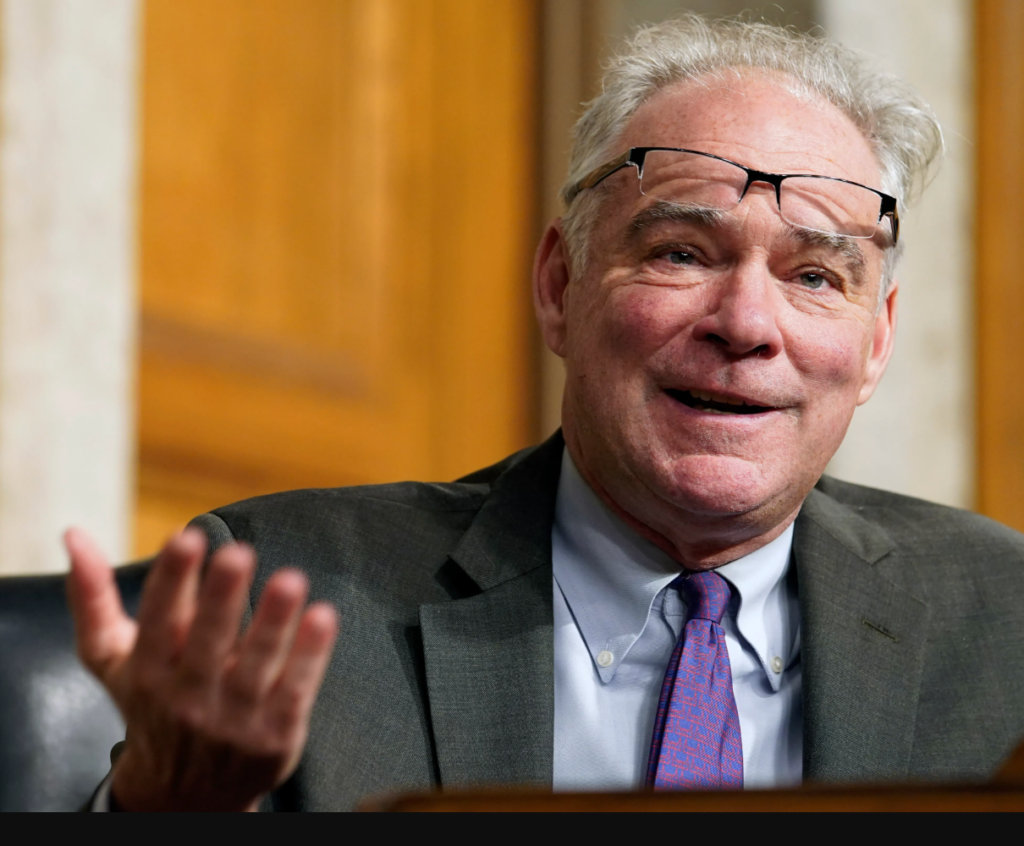
Tim Kaine’s swipe at Virginia sheriffs who refuse to enforce the state’s new gun-control measures landed like a wet firecracker in pro-Second-Amendment circles. By branding those elected lawmen “bad for business,” the senator managed to turn a routine policy dispute into a vivid reminder that local officials still answer to voters, not to Richmond or Washington. Gun-rights leaders quickly fired back, pointing out that the sheriffs are simply honoring their oaths to the Constitution and to the citizens who elected them—citizens who overwhelmingly reject magazine bans, red-flag laws, and the rest of the package Democrats rammed through last year. The exchange underscored a growing national pattern: when state capitals push measures that clash with both the Bill of Rights and local sentiment, sheriffs become the last line of defense, and politicians who attack them risk looking more like would-be authoritarians than sober legislators.
The real story isn’t just one senator’s gaffe; it’s the accelerating fragmentation of gun-law enforcement across the country. Virginia’s experience mirrors what we’ve seen in states from Oregon to Colorado, where county-level nullification has forced governors and attorneys general to choose between costly court fights and quiet retreat. For the 2A community, these standoffs serve as both warning and opportunity. They warn that even “purple” states can flip hard-left on guns when one party controls the legislature, yet they also demonstrate that organized resistance—recall petitions, primary challenges, and vocal sheriffs—can stall implementation and keep the issue front-and-center with voters. In an election year, every viral clip of a sheriff telling Richmond to pound sand becomes free advertising for the principle that the right to keep and bear arms isn’t subject to the shifting moods of state capitals or Senate offices.


