

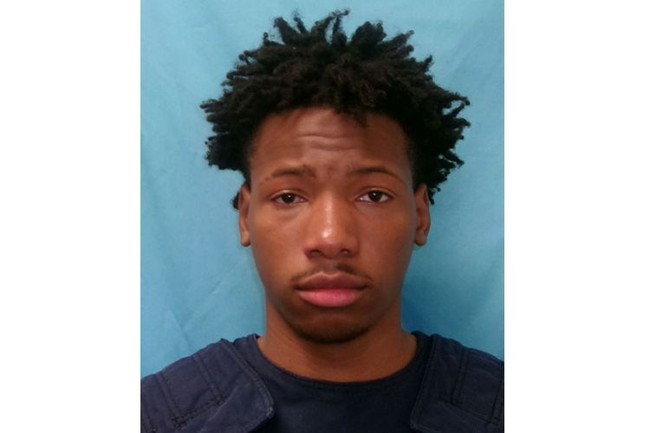
The Karmelo Anthony case is a textbook example of how selective evidence can tilt the scales of justice, and the 2A community should pay close attention. When the jury never heard about prior violent threats or documented behavioral red flags, the trial became less about truth and more about narrative control. For gun owners, this is a familiar pattern: the same institutions that downplay or suppress evidence of dangerous individuals are often the first to demand sweeping restrictions on law-abiding citizens who carry for protection. If the system can’t be trusted to present the full picture in a homicide trial, why should we trust it to decide who is “fit” to own a firearm?
The withheld information also underscores a deeper cultural problem. Media and activist circles frequently frame self-defense shootings as random acts of aggression, while quietly burying the aggressor’s history. That selective storytelling fuels the push for red-flag laws and “assault weapon” bans that punish the responsible rather than the reckless. When past threats and violent tendencies are kept from jurors, it’s not just a legal failure—it’s a public-safety failure that erodes trust in the very institutions meant to protect the innocent.
For Second Amendment advocates, the takeaway is clear: due process and the right to keep and bear arms are intertwined. If evidence of dangerousness can be hidden in a murder trial, it can just as easily be manufactured or ignored in a gun-confiscation hearing. The Anthony case is a warning shot—reminding us that an informed, armed citizenry must also be a vigilant one, ready to challenge both the courts and the culture that would disarm the law-abiding while shielding the truly dangerous.


