

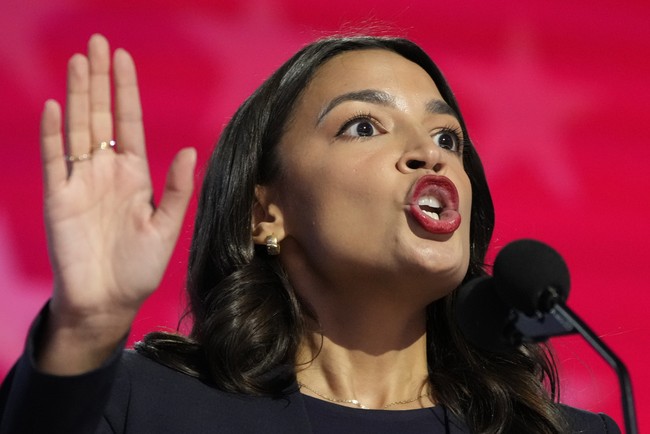
Kellyanne Conway’s takedown of Alexandria Ocasio-Cortez lands like a perfectly placed shot on a steel plate—sharp, loud, and impossible to ignore. Conway didn’t just question AOC’s policy chops; she exposed the gap between the congresswoman’s Instagram-ready rhetoric and the actual legislative record, which remains conspicuously thin on anything that would tangibly protect or expand individual rights. For Second Amendment supporters, the critique resonates because it highlights a familiar pattern: politicians who weaponize cultural wedge issues to distract from their hostility to the fundamental right to keep and bear arms. Conway’s point is simple—authenticity matters—and AOC’s record shows more performative outrage than substantive engagement with the constitutional principles that undergird a free society.
What makes this moment especially relevant to the gun-rights community is how it underscores the stakes in the ongoing culture war over self-defense. AOC’s legislative priorities have consistently tilted toward restrictions that treat lawful gun owners as the problem rather than violent criminals, while her broader “democratic socialist” agenda pairs those proposals with economic policies that historically leave citizens more dependent on the state and less capable of securing their own safety. Conway’s blunt assessment serves as a reminder that flowery language about “equity” and “common-sense laws” often masks an incrementalist approach to eroding the individual right affirmed in Heller, McDonald, and Bruen. The 2A community has seen this movie before; the only difference now is the social-media polish.
The takeaway for pro-Second Amendment advocates is strategic as much as philosophical. When high-profile critics like Conway publicly dismantle the authenticity of anti-gun voices, it creates openings to reframe the debate around first principles: the right to bear arms is not a privilege granted by Congress but a natural right that government exists to protect. By focusing on the disconnect between rhetoric and results, the gun-rights movement can keep pressure on lawmakers who treat the Constitution as a suggestion rather than a limit. In an election cycle where cultural issues will again collide with constitutional ones, moments like Conway’s critique are less about scoring points and more about reminding voters which side actually trusts them with freedom.


