

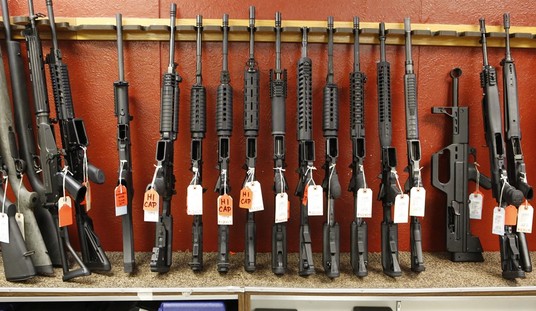
The slow fade of the neighborhood gun shop isn’t just a retail story—it’s a live-fire demonstration of how regulatory friction, insurance costs, and shifting consumer habits can quietly erode the very infrastructure that makes the Second Amendment practical. When a small FFL closes its doors, the loss isn’t measured in square footage; it’s measured in the disappearance of a place where new shooters learn safe handling, where neighbors vet one another’s character before a transfer, and where local knowledge about pending ordinances travels faster than any government website. The “vanishing” Cam Edwards flags is therefore less about nostalgia for wood-paneled walls and more about the steady transfer of power from decentralized, community-based points of commerce to a handful of big-box chains and direct-to-consumer online sellers who operate under different rules and answer to distant shareholders.
That shift carries concrete Second Amendment consequences. Fewer storefronts mean fewer venues for grassroots training, fewer impromptu conversations that turn skeptics into supporters, and fewer physical choke-points that state and local governments must try to regulate all at once. In their place rises a more easily monitored digital pipeline—one that can be throttled by payment processors, throttled again by common-carrier delivery services, and throttled a third time by “enhanced” background-check databases that treat every online order as a data point rather than a private transaction. The result is a slow-motion nationalization of the right to keep and bear arms: still technically protected on paper, but practically rationed through layers of private and public gatekeepers that didn’t exist when the Bill of Rights was ratified.
For the 2A community, the takeaway is strategic rather than sentimental. Protecting the right now requires defending the ecosystem that makes the right usable—pushing back against punitive insurance mandates, supporting state preemption laws that keep local officials from zoning gun stores out of existence, and building parallel institutions like private ranges, gun clubs, and decentralized FFL networks that can survive even if the corner shop cannot. The vanishing storefront is a warning flare; the real contest is whether the culture of American gun ownership can migrate to new forms before the regulatory vise tightens any further.


