

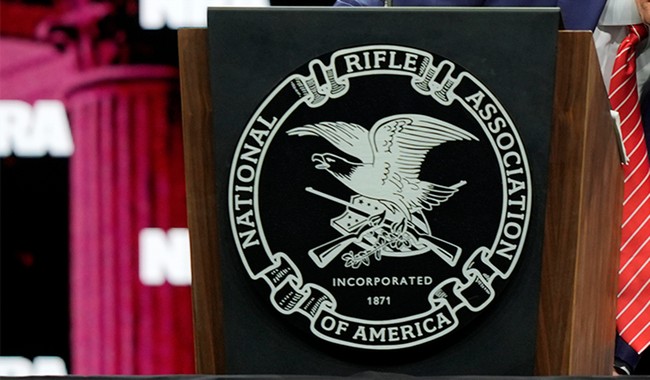
The NRA’s latest moves signal more than a simple rebrand—they’re a calculated pivot toward a leaner, more agile organization that can punch above its weight in a post-2024 political landscape. After years of internal turmoil and legal distractions, the association is quietly shedding legacy baggage and reallocating resources toward high-impact litigation, state-level legislative defense, and a sharper digital presence aimed at younger gun owners. This isn’t just about survival; it’s about reclaiming the narrative that the NRA remains the indispensable fulcrum of the Second Amendment movement, even as newer, more specialized groups nibble at its edges.
What makes this reset particularly interesting is how it dovetails with broader shifts in the gun-rights ecosystem. While groups like GOA and FPC have carved out reputations for aggressive litigation, the NRA still possesses unmatched institutional muscle—its ability to mobilize millions of members, coordinate with state affiliates, and influence Republican primaries remains unmatched. By focusing on “higher targets”—think Supreme Court follow-on cases, model legislation for constitutional carry expansion, and a renewed push into minority and suburban demographics—the association is positioning itself as the strategic air-support rather than the ground troops. That division of labor could prove potent if the groups coordinate instead of compete.
For rank-and-file 2A supporters, the takeaway is pragmatic: watch where the money and messaging flow over the next twelve months. If the NRA successfully translates its reset into tangible wins—whether blocking new ATF rules in court or flipping key statehouses—its relevance will rebound quickly. Conversely, if the reorganization stalls amid donor skepticism or fresh scandals, the decentralization of the gun-rights movement will accelerate, leaving a more fragmented but potentially more innovative coalition in its wake. Either way, the battlefield is shifting, and the NRA is betting it can still lead the charge.


