

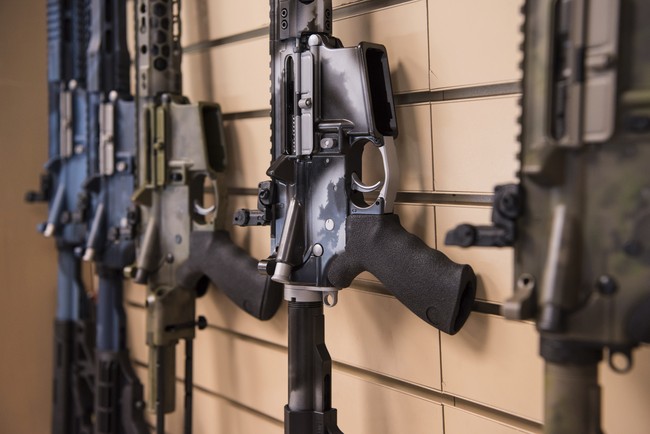
The New Republic’s sudden alarm over Virginia prosecutors declining to enforce fresh gun restrictions reveals a long-standing double standard that gun owners have watched for years: when the administrative state and aligned local officials weaponize selective enforcement to advance one policy vision, it’s celebrated as “progressive prosecution,” but when the same discretion is turned against gun-control measures, it suddenly becomes a constitutional crisis. In practice, this is nothing more than the logical endpoint of the same philosophy the magazine has cheered whenever it targeted bail, drug laws, or policing—only now the target is the Second Amendment, and the script has flipped. The real story isn’t rogue prosecutors; it’s that Virginia’s elected officials are finally applying the same nullification logic that sanctuary jurisdictions have used for immigration enforcement and that blue-city DAs have used to gut enforcement of theft and assault statutes.
For the 2A community, the episode underscores a strategic opening: when state and local officials refuse to allocate resources to new restrictions, those laws become largely symbolic, buying time for courts and legislatures to catch up. It also highlights the growing recognition that enforcement is the weak link in the gun-control chain; no matter how many magazine bans or “assault weapon” definitions are passed in Richmond, they remain inert if sheriffs and commonwealth’s attorneys treat them as optional. That reality forces gun-control advocates to pivot from legislation to litigation and federal pressure, avenues where the Supreme Court’s Bruen framework and the text-and-history test now place a heavier burden on the state. The New Republic’s discomfort is therefore less about lawlessness than about losing the ability to rely on friendly local officials to do the heavy lifting of disarmament without ever winning durable popular or constitutional support.


