

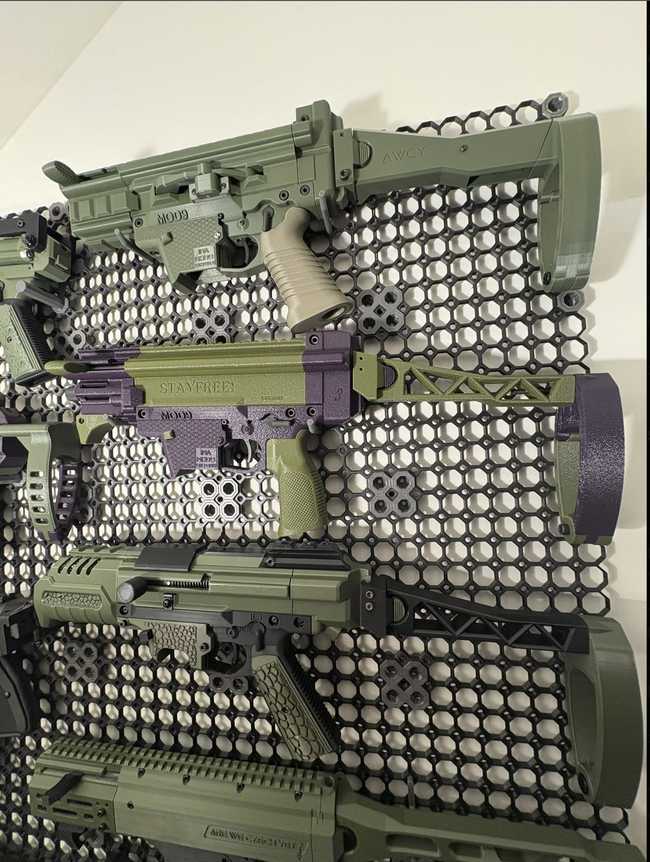
Rolling Stone’s latest piece on 3D-printed guns lands with the usual mix of alarm and selective framing, yet the details it surfaces actually underscore how futile top-down restrictions have become. The article concedes that files for functional firearms continue to circulate despite years of legal pressure on distributors, and it quietly admits that the printers and materials required are now ordinary consumer products rather than exotic hardware. That reality exposes the core weakness in the gun-control argument: once the underlying knowledge is public, enforcement depends on policing thoughts and bits rather than physical objects—an approach that has never scaled and collides directly with both technological progress and the plain text of the Second Amendment.
What the piece largely sidesteps is the deeper constitutional point. The right to keep and bear arms is not conditioned on government permission to manufacture or on the method of production; it is an individual protection against disarmament. When legacy outlets highlight “loopholes” around serialization or background checks for printed receivers, they are really describing the predictable result of a right that precedes the regulatory state. Far from a crisis, the spread of decentralized manufacturing restores a measure of practical sovereignty to citizens who no longer need to rely on approved vendors or politically vulnerable supply chains.
For the 2A community the takeaway is straightforward: focus on culture, education, and legal defense rather than chasing every new fabrication method with fresh legislation. The same technological diffusion that Rolling Stone finds unsettling also makes confiscation fantasies even less plausible, reinforcing why shall-issue carry, constitutional carry, and preemption laws matter more than ever. As printers improve and designs iterate in the open, the debate shifts from “how do we stop this” to “how do we live with an armed, informed populace that can no longer be disarmed by paperwork.”


