

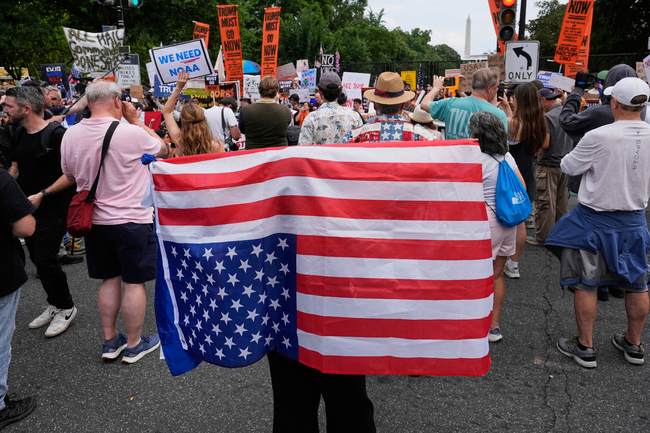
The Morning Briefing’s headline captures a cultural moment where the very foundations of open discourse seem inverted, and nowhere is that inversion more consequential than in the ongoing debate over the Second Amendment. When institutions that once championed free inquiry now treat the right to keep and bear arms as an inherently suspect idea, the same mechanisms used to marginalize speech—algorithmic suppression, corporate de-banking, and selective enforcement—are being retooled to isolate lawful gun owners. The result is a chilling feedback loop: if expressing support for the right to self-defense can trigger professional or financial repercussions, then the practical exercise of that right becomes the privilege of the politically compliant rather than the birthright of every citizen.
This inversion also reframes the traditional alliance between faith communities and the broader pro-2A movement. Houses of worship increasingly find themselves navigating a legal and cultural minefield where posting “God and guns” signage or hosting concealed-carry classes can invite accusations of extremism, even as data from the Department of Justice continue to show that defensive gun uses outnumber criminal ones by substantial margins. The implication is clear: when cultural arbiters equate faith-based self-reliance with radicalism, they are not merely scoring rhetorical points; they are eroding the civic muscle memory that once treated responsible firearm ownership as an extension of personal responsibility and communal protection.
For the 2A community, the stakes extend beyond policy minutiae to the preservation of parallel institutions capable of withstanding coordinated pressure. Whether that means supporting payment processors that refuse to discriminate against FFLs, funding campus carry litigation, or simply normalizing the language of liberty in everyday conversation, the lesson from today’s “upside down” news cycle is that rights unexercised in the cultural sphere are rights soon restricted in the legal one. The morning briefing may lament the inversion, but for those who value the Bill of Rights as an integrated whole, it also serves as a call to re-anchor public debate in first principles before the next round of regulatory “clarifications” further narrows the space in which free people can defend themselves.


