

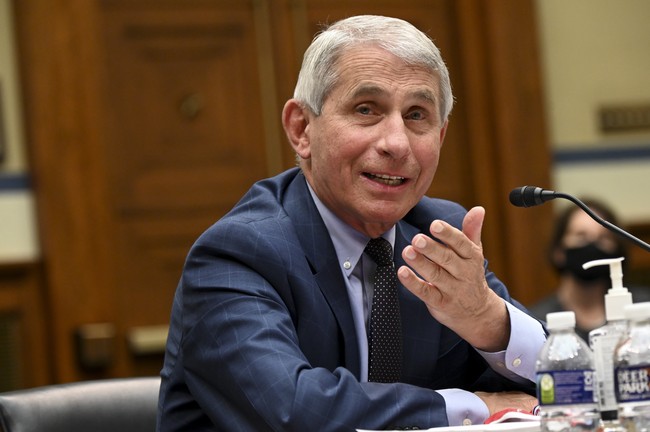
Anthony Fauci’s latest Senate appearance was less a reckoning than a masterclass in bureaucratic evasion, with the former NIAID director once again sidestepping accountability for the pandemic policies that reshaped American life. While the headlines fixate on his polished deflections and the political theater of congressional hearings, the deeper story is how those same policies normalized the idea that government experts can suspend constitutional rights under the banner of “public health.” For the 2A community, the lesson is unmistakable: when one unelected official can shutter businesses, restrict movement, and redefine “essential,” the same logic can—and has—been used to close gun stores, halt ammunition sales, and treat the right to keep and bear arms as a mere regulatory afterthought.
The real danger isn’t Fauci’s sleep habits; it’s the precedent his tenure set for future crises. During the pandemic, several states leaned on emergency powers to deem firearm retailers non-essential, effectively disarming law-abiding citizens under the guise of stopping a virus. Those orders were challenged in court and, in many cases, struck down, but the underlying impulse—to let temporary emergencies override permanent rights—remains alive in regulatory agencies and statehouses. The 2A community’s vigilance now extends beyond magazine bans and red-flag laws; it must include pushback against any framework that allows health bureaucrats to decide when the Constitution is “on hold.”
What’s emerging is a broader cultural shift: the elevation of credentialed experts over constitutional limits. If the response to a respiratory virus can justify six-foot distancing mandates and church closures, it’s not hard to imagine future “crises”—cyberattacks, climate events, or civil unrest—being used to justify gun confiscation or ammunition rationing. The 2A fight, then, isn’t just about the next piece of legislation; it’s about rejecting the premise that any branch of government, or any alphabet agency, gets to decide when your rights are negotiable.


