

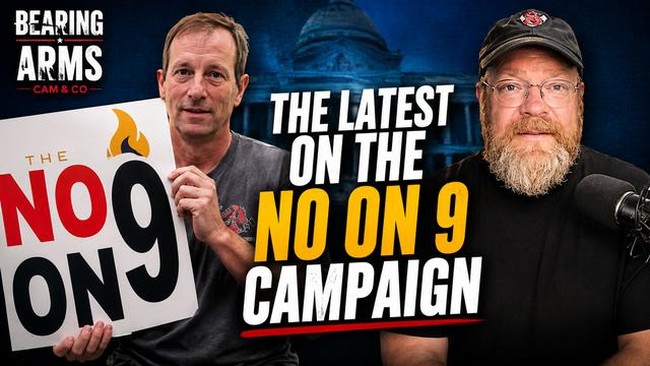
Toby Leary’s appearance on Cam’s show is a timely reminder that Massachusetts’ Chapter 135 isn’t just another layer of red tape—it’s a deliberate chokehold on the right to keep and bear arms. By forcing every transfer through a licensed dealer, layering on a 10-day waiting period, and requiring a state “safety certificate” that can be withheld for any bureaucratic whim, the law turns a constitutional right into a privilege dispensed at the pleasure of Beacon Hill. Leary’s coalition is betting that voters will finally see the statute for what it is: a slow-motion confiscation dressed up as “public safety.”
What makes the No On 9 effort especially potent is its focus on lived experience rather than abstract theory. Gun owners who have watched friends lose carry permits over minor paperwork errors, or who have paid hundreds in dealer fees just to gift a rifle to a family member, are the campaign’s most persuasive messengers. Their stories expose the law’s real-world damage: higher costs, longer delays, and a chilling effect on training and competition. When the Civil Rights Coalition pairs those anecdotes with hard data—showing no measurable crime drop since Chapter 135 took effect—the argument becomes harder for fence-sitting voters to dismiss.
If the repeal succeeds, Massachusetts could become the unlikely bellwether for a broader rollback of “may-issue” and “universal background-check” regimes nationwide. A win would prove that grassroots organizing, disciplined messaging, and relentless documentation of government overreach can still move the needle even in deep-blue territory. Conversely, defeat would embolden other states to copy the Massachusetts model, turning a single statute into a national template for rights-restriction. Either way, the outcome will reverberate far beyond the Bay State’s borders.


