

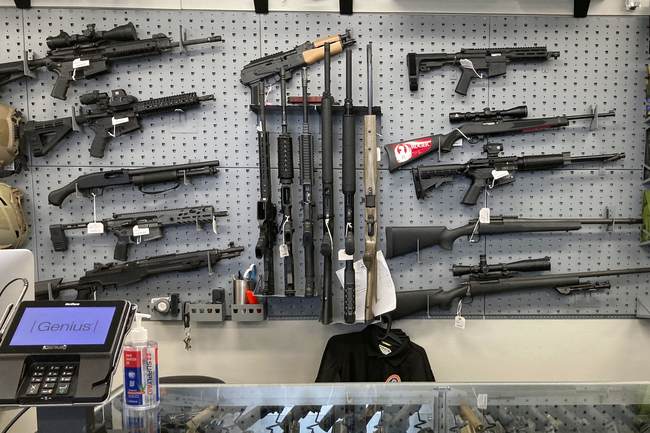
The gun industry’s long, quiet war with the banking system didn’t start with Operation Choke Point; it began the moment credit-card networks and clearing houses realized they could weaponize the plumbing of commerce itself. In the early 2000s, processors quietly re-coded “sporting-goods” merchants to exclude firearms, while insurers jacked premiums on FFLs to levels that made carrying inventory untenable. By the time DOJ memos surfaced in 2013, the pattern was already entrenched: banks didn’t need statutes; they simply treated gun stores like payday lenders—high-risk by fiat, starved of capital by spreadsheet. The result was an ecosystem where even profitable ranges couldn’t refinance leases or accept plastic without routing payments through offshore processors that skimmed 7–9 %.
What makes the episode uniquely instructive for the 2A community is how completely it exposed the Second Amendment’s dependence on auxiliary rights the Constitution never names. When the ability to borrow, to clear a debit card, or to keep cash in a federally insured account hinges on the political mood of mid-level risk officers in New York and Charlotte, “shall not be infringed” becomes a contingent promise. The industry’s workaround—state-chartered credit unions, self-clearing co-ops, even precious-metals-backed lending circles—proved that parallel financial rails are possible, yet they remain boutique solutions. Unless 2A advocates treat financial access as a civil-rights battlefield on par with carry reciprocity, every new regulation on “sensitive” transactions can be enforced not at the point of sale, but at the point of settlement, achieving de facto prohibition without ever amending the Constitution.


