

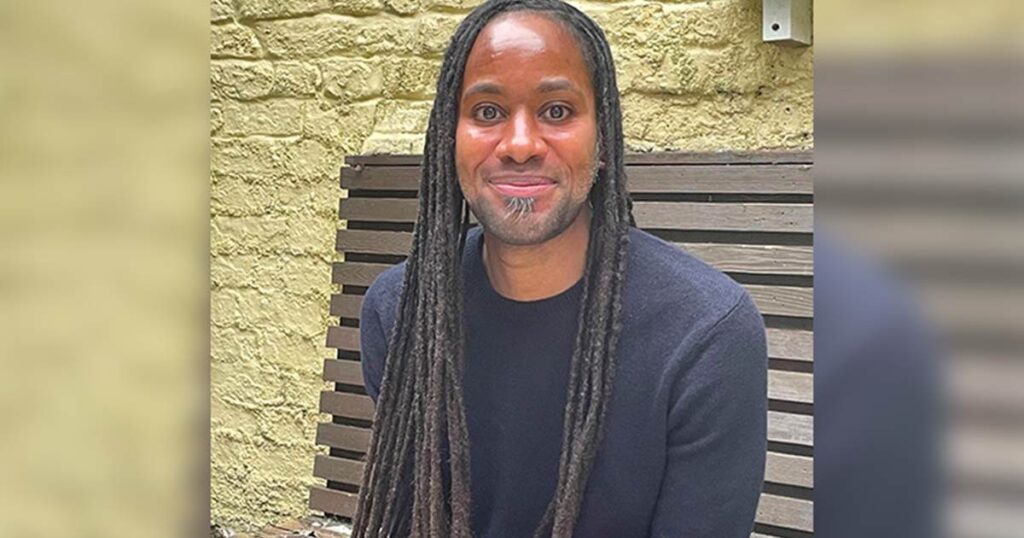
The sudden death of Jason Arday, the Cambridge academic whose meteoric rise was built on fabricated credentials and ghost-written scholarship, should have been a cautionary tale about institutional rot. Instead, it became a masterclass in how elite gatekeepers protect their own. Arday’s résumé—packed with phantom publications and invented expertise—survived multiple rounds of peer review because the system rewards narrative over rigor. When the fraud finally surfaced, the same institutions that once celebrated him pivoted to mourning rather than accountability, proving that ideological utility still trumps truth in academia’s upper echelons.
For the 2A community, the lesson is unmistakable: the same credentialed class that once dismissed armed citizens as “bitter clingers” now demands deference on everything from public health to constitutional interpretation. When the people who shape curricula and draft policy can’t be trusted to vet their own résumés, why should their pronouncements on the Second Amendment carry any weight? The Arday scandal exposes a pipeline where activism masquerades as expertise, and where dissent is treated as heresy rather than healthy skepticism. If universities can’t police their own scholarship, they have no business lecturing the rest of us on rights enumerated in the founding document.
The broader implication is that truth-seeking has migrated outside legacy institutions. Independent researchers, armed with primary sources and unfiltered data, are filling the vacuum left by credentialed frauds. Just as citizen-journalists and open-source analysts have outflanked legacy media on topics ranging from election integrity to pandemic policy, the 2A community now relies on its own network of historians, statisticians, and legal scholars to defend the right to keep and bear arms. Arday’s downfall didn’t silence anyone—it simply reminded us that authority flows from competence, not from the letters after someone’s name.


