

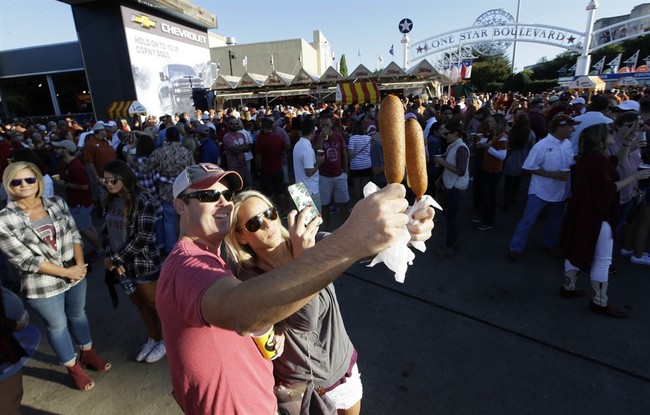
Texas’s latest court ruling upholding the State Fair’s gun ban is a textbook example of how “sensitive places” doctrine is being stretched far beyond the Supreme Court’s Bruen framework. The decision leans on the fair’s temporary nature and the presence of children to justify a total prohibition, yet it glosses over the fact that millions of law-abiding Texans already carry daily in malls, stadiums, and amusement parks without incident. By treating a privately run, ticketed event as an extension of government property, the court effectively green-lights venue operators to nullify licensed carry with the stroke of a policy memo—an end-run around legislative preemption that the 2A community has fought for years to secure.
The practical fallout is immediate: fairgoers who lawfully carry must now choose between leaving their defensive tools in a car where they can be stolen or risking a Class A misdemeanor by entering with a holstered firearm. That calculus disproportionately burdens single parents, rural attendees, and anyone traveling long distances—precisely the demographic most likely to need protection when leaving the fairgrounds after dark. Meanwhile, the fair’s private security remains under no obligation to provide equivalent armed coverage, creating a “gun-free zone” whose only guaranteed occupants are those who ignore the rules.
Longer term, the ruling sets a precedent that any large, ticketed gathering can be labeled “sensitive” simply by pointing to crowds and concession sales. If allowed to metastasize, the logic could migrate from fairs to concerts, festivals, and sporting events, effectively shrinking the map of lawful carry to little more than sidewalks and parking lots. The 2A community’s next move should be legislative clarification that expressly limits “sensitive place” designations to government buildings and courthouses, coupled with civil immunity reforms that let venue operators opt into armed security without fear of novel liability theories.


