

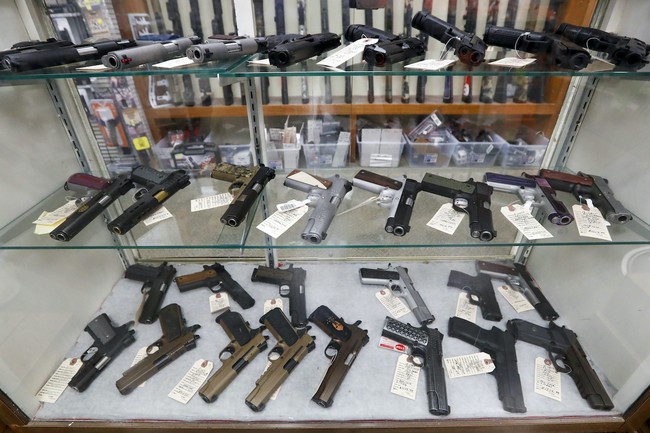
In a small Texas town where local officials tried to weaponize zoning codes to keep gun stores out, a determined couple just proved that the Second Amendment still has teeth when citizens refuse to roll over. The couple faced a classic regulatory squeeze—arbitrary distance requirements, vague “public safety” clauses, and the kind of discretionary permitting that lets anti-gun bureaucrats say “no” without ever admitting they’re targeting lawful commerce. Instead of folding, they documented every procedural misstep, rallied neighbors who actually wanted convenient access to firearms training and sales, and took their case through hearings that exposed how flimsy the zoning pretext really was. The victory wasn’t just about one store; it was a live demonstration that creative lawfare can be beaten when gun owners treat every permit denial as a constitutional challenge rather than a closed door.
What makes this win especially useful for the broader 2A community is the precedent it sets for fighting indirect infringements. Zoning and land-use rules have become the new front line in the gun-control playbook because they fly under the radar of headline-grabbing legislation. When activists can’t ban the product, they try to make it economically impossible to sell. The Texas couple’s success shows that these ordinances often rest on selective enforcement and shifting rationales that crumble under scrutiny. Other entrepreneurs now have a road map: gather evidence of unequal treatment, highlight the lack of data linking gun stores to increased crime, and frame the issue as economic discrimination against a protected constitutional right. The result is a reminder that defending the Second Amendment increasingly means mastering the same regulatory tools used against it—turning the bureaucracy’s own paperwork into a shield rather than a shackle.


