

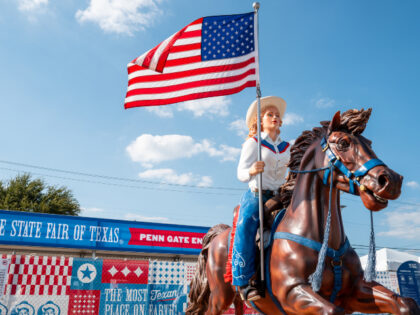
The 15th Court of Appeals’ decision to green-light the State Fair’s handgun ban is a textbook example of how Texas’s post-Bruin landscape still contains pockets of “sensitive places” doctrine that lower courts are happy to stretch. By affirming the trial court’s ruling, the panel effectively told law-abiding carriers that the annual two-week carnival in Dallas is legally indistinguishable from a courthouse or polling place—an analytical leap that ignores Bruen’s demand for a historical analogue rather than a judicial gut-check. The irony is rich: Texas just passed constitutional carry, yet the same legislature left untouched a 1970s-era statute that lets event promoters declare temporary no-carry zones, giving private vendors and local officials a veto over a constitutional right.
For the broader 2A community, the ruling signals that venue-specific challenges will remain the next frontier of litigation. Expect similar disputes at rodeos, music festivals, and even county fairs that receive any public subsidy; each will test whether courts treat these events as truly “sensitive” or as the temporary commercial gatherings they actually are. The decision also hands activists a ready-made talking point: if the State Fair can disarm 2.5 million visitors without demonstrating Founding-era precedent, then any municipality can label any patch of grass a “sensitive place” and achieve de facto gun control by map-making. Until the Texas Supreme Court or the Fifth Circuit steps in, the message to carriers is clear—know your venue map, or leave the Second Amendment at the gate.


