

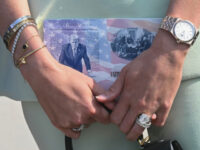
The NPR piece isn’t really about passports; it’s a window into how taxpayer dollars now underwrite cultural signaling against a sitting president. By framing the mere presence of an elected official’s image as something citizens might need to “avoid,” the story treats political disagreement as a hygiene issue rather than a democratic outcome. That framing matters to gun owners because the same institutional reflex—casting lawful authority as inherently suspect—has repeatedly been aimed at the Second Amendment itself, from “ghost gun” panic pieces to selective coverage of defensive gun uses.
For the 2A community the takeaway is straightforward: institutions that normalize resistance to one constitutional branch rarely stop at the border. When federal agencies and their media partners treat presidential imagery as optional, they telegraph that other constitutional text—shall not be infringed—can be treated as optional too. The passport story is small, but it illustrates the larger pattern of using public resources to erode respect for electoral results and, by extension, the legal framework that protects the right to keep and bear arms.
Gun owners who fund NPR through their taxes are effectively subsidizing messaging that casts their own constitutional protections as negotiable. The smarter play is to recognize these micro-campaigns for what they are—early indicators of institutional hostility—and respond with sustained support for organizations and candidates that treat the entire Bill of Rights as non-negotiable rather than a menu of cultural preferences.


