

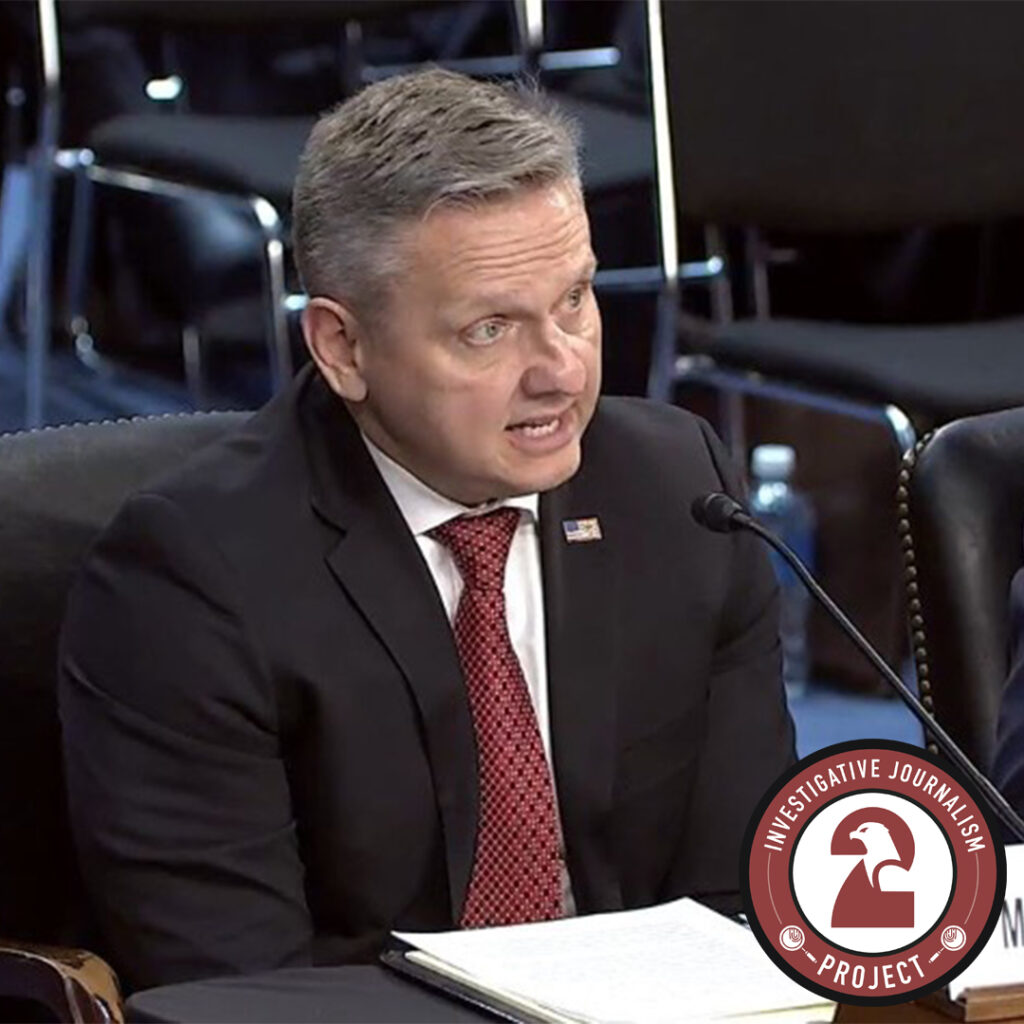
Tate Adamiak’s open letter to the incoming ATF director lands like a precision shot across the agency’s bow, laying out the legal and constitutional guardrails that any new leadership must respect if it hopes to avoid another round of courtroom defeats. Rather than rehash tired talking points, Adamiak zeroes in on the ATF’s recent pattern of stretching statutory language—most notably the pistol-brace rule and the forced-reset trigger guidance—to manufacture crimes where Congress never created them. By reminding the new director that the Administrative Procedure Act and the major-questions doctrine now carry real teeth after recent Supreme Court decisions, the letter signals that the 2A community is no longer content to absorb regulatory whiplash; it is prepared to litigate early and often.
What makes the letter especially potent is its tone: measured, fact-dense, and conspicuously free of partisan bombast. Adamiak cites specific Federal Register pages and traces how the agency’s own prior guidance contradicts its current enforcement posture, effectively handing the incoming director a roadmap for avoiding the same legal tripwires that sank the pistol-brace rule. For gun owners, the subtext is clear—regulatory overreach is no longer a cost-free political gesture; every new rule now carries an immediate litigation surcharge that can stall implementation for years. That reality shifts the Overton window inside the agency itself, because career staff who once treated “sue us later” as standard operating procedure must now weigh the probability that courts will vacate their work product before the next election cycle.
The broader implication for the 2A community is strategic rather than merely rhetorical. By publishing the letter publicly, Adamiak converts what could have been a private memo into a preemptive accountability document that grassroots activists, state attorneys general, and industry groups can cite the moment the ATF publishes its next notice of proposed rulemaking. It also underscores a maturing legal ecosystem: organizations that once reacted after rules were finalized are now shaping the record before ink dries. If the new director absorbs even half of Adamiak’s points, the next four years could see fewer midnight rules and more negotiated, congressionally authorized reforms—an outcome that would mark a quiet but decisive victory for those who believe the right to keep and bear arms deserves the same procedural protections as any other enumerated right.


