

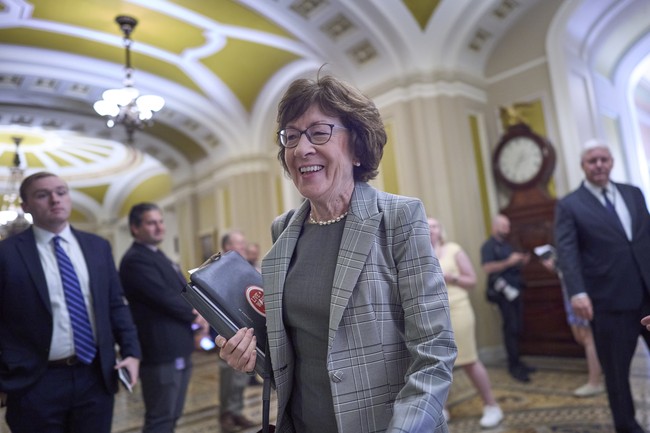
Susan Collins just handed Graham Platner a master class in why stretching the truth about military service is political quicksand, especially when the stretch involves combat claims from Iraq. The Maine senator’s calm, fact-based rebuttal exposed Platner’s embellishments without raising her voice, underscoring how quickly a candidate’s credibility collapses once the record is checked. For gun owners watching the 2026 Senate race, the episode is a reminder that candidates who inflate their service records often do the same with their positions on the Second Amendment once they reach Washington.
The deeper problem isn’t just one embellished deployment story; it’s the pattern of using military credentials as political armor while quietly supporting policies that erode the rights of law-abiding citizens back home. Platner’s willingness to massage his record suggests a comfort with narrative over facts that rarely stops at foreign policy. When candidates treat service as a prop rather than a foundation, the 2A community has every reason to question whether they’ll treat the Constitution the same way once the cameras are off.
Collins’ measured response also highlights a broader strategic lesson: pro-Second Amendment voters don’t need bombast; they need candidates who can deliver precise, verifiable answers on issues that actually affect their rights. In a race that could tip Senate control, the ability to separate real service from self-promotion may prove more decisive than any single policy paper, because trust, once broken on something as basic as where you served and what you did, is almost impossible to rebuild when the next assault on the right to keep and bear arms arrives.


