

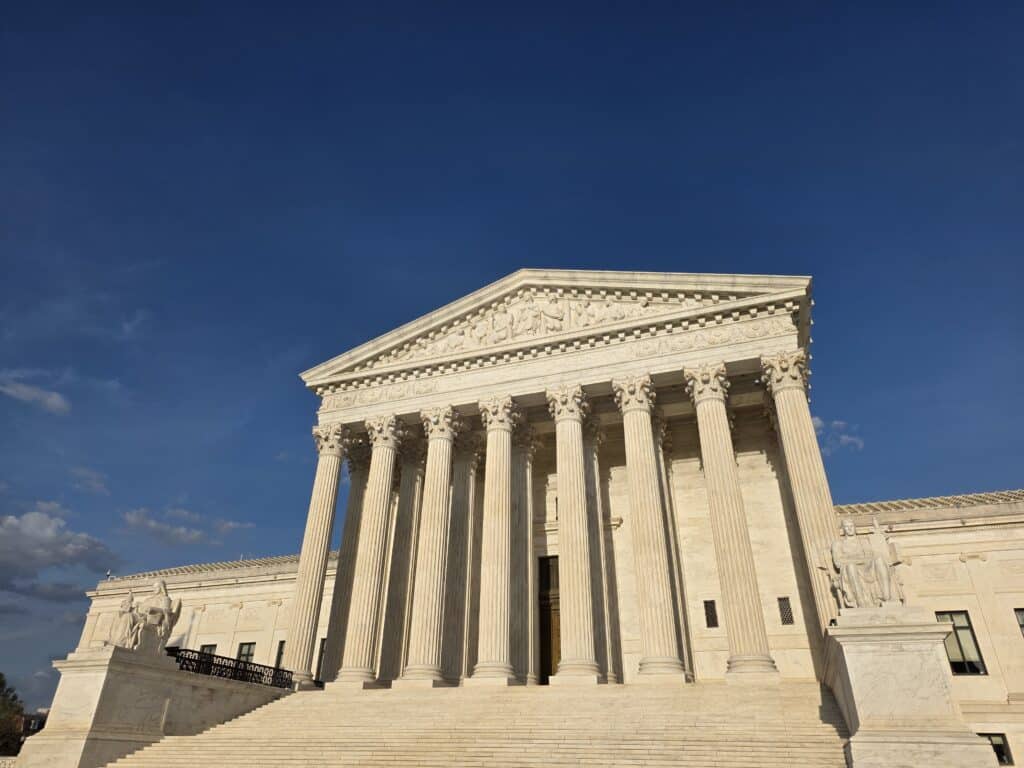
In a move that should give every gun owner pause, the Supreme Court just made it crystal clear that the government can’t strip someone of their Second Amendment rights simply because they admit to smoking marijuana. The unanimous decision underscores a critical distinction between being a “user” of a controlled substance and posing an actual danger to society, rejecting the kind of blanket prohibition that has long been used to disarm otherwise law-abiding citizens. For the 2A community, this isn’t just about pot smokers; it’s about rejecting the notion that bureaucratic checkboxes can override constitutional protections without individualized findings of risk or misconduct.
What makes the ruling particularly noteworthy is how it chips away at the expansive reading of “prohibited persons” that federal agencies have leaned on for decades. By insisting that mere use isn’t enough, the Court is signaling that the government bears a heavier burden when it wants to disarm citizens, a principle that could ripple outward to other categories currently treated as automatic disqualifiers. Gun owners who have watched ATF guidance expand like kudzu should see this as both a tactical win and a strategic reminder: rights don’t forfeit themselves; they must be actively clawed back through persistent litigation and public pressure.
For the broader pro-2A movement, the decision is a quiet but meaningful affirmation that the Constitution still sets the outer bounds of regulatory power. It also highlights an emerging fault line inside the gun-rights coalition itself—some traditionalists remain uneasy about any linkage between marijuana and firearms, while others argue that consistency demands treating cannabis users the same as alcohol drinkers under the law. Either way, the ruling forces a conversation the community can no longer avoid: if we demand that government prove its case before revoking rights, we have to be willing to apply that standard evenly, even when the facts make us uncomfortable.


